

Key Takeaways
- The travel palm plant is not a true palm but is actually related to the Bird of Paradise.
- It gets its nickname because its fan-shaped leaves tend to grow on an east-west axis, acting as a rough compass for travelers.
- This plant requires significant space, bright sunlight, and regular watering to thrive.
- While beautiful, it is best suited for outdoor growing in zones 10-11 or large indoor atriums.
- Proper fertilization and pest management are crucial for maintaining its spectacular green foliage.
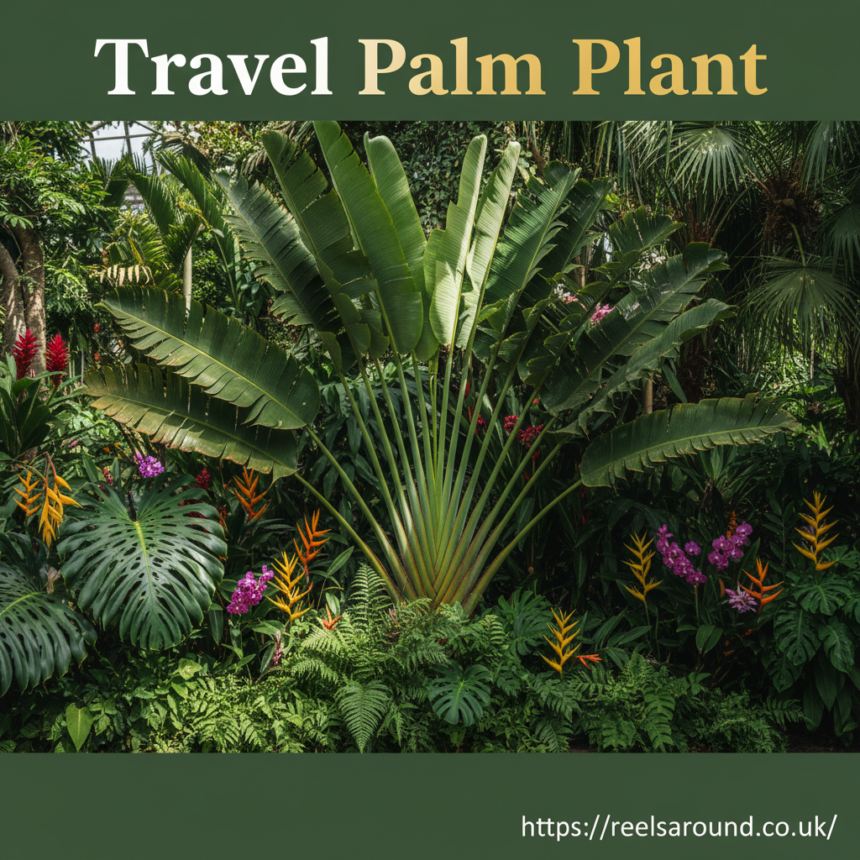
We have all seen plants that stop us in our tracks, but few have the sheer dramatic impact of the travel palm plant. Known scientifically as Ravenala madagascariensis, this botanical wonder looks like a giant green fan that has been stuck into the earth. It is an architectural masterpiece that brings an instant tropical vibe to any landscape. Whether you are a seasoned gardener looking for a new challenge or just someone who loves exotic flora, understanding this plant is a fascinating journey.
Despite its common name, this species is not actually a palm tree at all. It is a member of the Strelitziaceae family, making it a close cousin to the famous Bird of Paradise. The name “traveler’s palm” or travel palm plant comes from a few old legends. One story says that thirsty travelers could find rainwater collected in the sheath of the stems. Another suggests that the fan tends to grow in an east-west line, providing a crude compass for lost explorers. Regardless of the lore, it is a plant that demands attention and care.
In this guide, we will explore everything you need to know about growing and caring for this magnificent species. We will cover its specific water needs, the best soil to use, and how to use it in landscaping. We will also dive into troubleshooting common problems so your green giant stays healthy for years to come.
What Exactly Is a Travel Palm Plant?
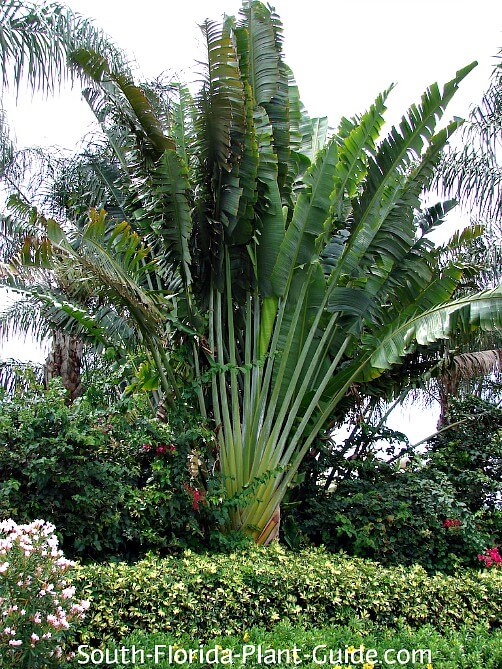
The travel palm plant is distinct from almost any other plant you will encounter in a nursery or botanical garden. Native to Madagascar, it is the sole species in its genus, which makes it incredibly unique. In its natural habitat, it can grow to massive heights, sometimes reaching up to 30 to 50 feet tall. The trunk is grey and sturdy, looking somewhat like a palm trunk, which explains the confusion in its name. However, the leaves are where the real magic happens. They are enormous, paddle-shaped, and arranged in a perfect, flat fan shape at the top of the trunk.
This unique leaf arrangement is distichous, meaning the leaves grow in two opposite rows. This is what gives the plant its flat, fan-like appearance. As the plant matures, the lower leaves die off and drop, revealing the trunk underneath. In younger plants, the trunk is often hidden underground or very short, so the fan appears to rise directly from the soil. The flowers are also quite similar to the Bird of Paradise, with large, creamy white bracts that can hold nectar. However, these flowers are often hidden within the leaf bases, so they aren’t the primary reason people grow this plant.
Because the travel palm plant is so large, it is not a typical houseplant. It is a landscape statement piece. If you live in a tropical or subtropical climate, specifically USDA zones 10 and 11, you can grow this outdoors year-round. For those in cooler climates, it is possible to keep young plants in large containers, but they will eventually outgrow most indoor spaces unless you have a conservatory or a very high ceiling. Knowing the biology of this plant helps you understand why it needs so much room and light.
Ideal Growing Conditions for Your Travel Palm Plant
To get the best performance out of your travel palm plant, you have to mimic the conditions of Madagascar. This means warmth, light, and humidity are your best friends. These plants are sun worshippers. They crave full sun to partial shade. If you plant them in deep shade, they will become leggy, the growth will slow down significantly, and the iconic fan shape might not develop as symmetrically. Ideally, they should receive at least 6 to 8 hours of direct sunlight every single day. The more sun they get, the faster they will grow.
Temperature is another critical factor. This plant has zero tolerance for frost. If the temperature drops below 30°F (-1°C), the leaves will suffer damage, and prolonged cold can kill the plant entirely. It thrives in temperatures between 60°F and 90°F. If you are growing this in a pot in a cooler zone, you must bring it inside well before the first freeze. Even a light frost can turn those magnificent green leaves into brown, mushy messes. Wind protection is also vital. Because the leaves are so large—sometimes up to 10 feet long—strong winds can shred them, making the plant look tattered and unkempt.
Soil quality is the foundation of health for the travel palm plant. It prefers rich, loamy soil that drains well. It does not like “wet feet,” meaning the roots should not be sitting in stagnant water, but the soil should remain consistently moist. A soil pH between 6.0 and 7.0 is ideal. If you have heavy clay soil in your garden, you will need to amend it heavily with organic matter like compost or peat moss to improve drainage. Conversely, if you have very sandy soil, adding organic matter will help hold the necessary moisture and nutrients near the roots.
Specifications at a Glance
|
Feature |
Specification |
|---|---|
|
Scientific Name |
Ravenala madagascariensis |
|
Common Name |
Traveler’s Palm, Travel Palm |
|
Hardiness Zones |
10 – 11 (USDA) |
|
Sun Exposure |
Full Sun to Partial Shade |
|
Mature Height |
30 to 50 feet |
|
Mature Spread |
15 to 20 feet |
|
Soil Type |
Loamy, Well-draining, Rich |
|
Toxicity |
Mildly toxic to pets if ingested |
Watering: Keeping Your Travel Palm Plant Hydrated
Watering is perhaps the most important maintenance task when caring for a travel palm plant. These are thirsty giants. In their native tropical environment, they receive regular rainfall. Therefore, you want to keep the soil consistently moist but never soggy. During the active growing seasons of spring and summer, you might need to water your plant several times a week, especially if it is located in full sun. The large leaves have a massive surface area, which leads to high transpiration rates—meaning the plant loses water quickly through its leaves.
You should check the soil moisture regularly. Stick your finger about two inches into the soil. If it feels dry, it is time to water. When you water, do so deeply. A shallow sprinkle will not encourage deep root growth. You want the water to penetrate down to the root ball. This helps establish a strong foundation that can support the heavy top of the plant. If you are growing the plant in a container, ensure the pot has excellent drainage holes so excess water can escape. Root rot is a real danger if water accumulates at the bottom of the pot.
In the winter months, the growth of the travel palm plant will naturally slow down. During this time, you should reduce your watering frequency. Allow the soil to dry out slightly more between waterings, but never let it become bone dry. Signs of underwatering include curling leaves or brown, crispy edges. Signs of overwatering usually present as yellowing leaves, soft stems, or a foul smell coming from the soil. Finding the right balance takes observation, but aiming for “moist like a squeezed-out sponge” is a good rule of thumb.
Fertilizing for Lush Green Growth
Because the travel palm plant is a fast grower when conditions are right, it has a big appetite. To support those massive leaves and rapid height increase, you need to provide plenty of nutrients. A general-purpose fertilizer balanced for tropical plants or palms works well. Look for a fertilizer with an N-P-K ratio (Nitrogen-Phosphorus-Potassium) that is balanced, such as 10-10-10 or specifically formulated for palms, which often includes extra magnesium and micronutrients. Nitrogen is particularly important for keeping the foliage a deep, vibrant green.
The best schedule for fertilizing is to apply a granular, slow-release fertilizer at the beginning of spring, again in early summer, and once more in late summer. This ensures a steady supply of food during the peak growing season. If you prefer liquid fertilizers, you can apply them monthly during the growing season, but be sure to dilute them according to the package instructions to avoid fertilizer burn. Fertilizer burn shows up as brown tips on the leaves and can damage the root system.
Do not fertilize your travel palm plant during the winter. The plant is in a resting phase, and adding nutrients when it isn’t growing can lead to a buildup of salts in the soil, which is harmful. Every year or two, especially for potted plants, it is also a good idea to refresh the soil or top-dress with compost. This replenishes the organic matter that breaks down over time. Remember, a well-fed plant is not only more beautiful but also more resistant to pests and diseases.
Seasonal Care Schedule
|
Season |
Watering Needs |
Fertilizing |
Pruning/Maintenance |
|---|---|---|---|
|
Spring |
Increase frequency; keep moist |
Apply slow-release fertilizer |
Prune dead leaves from winter |
|
Summer |
High frequency; check daily |
Re-apply or use liquid monthly |
Monitor for pests regularly |
|
Autumn |
Decrease frequency gradually |
Stop fertilizing |
Mulch base to retain heat |
|
Winter |
Low frequency; let top dry slightly |
None |
Protect from frost/freezing |
Pruning Techniques for a Tidy Appearance
Pruning a travel palm plant is less about shaping the plant and more about grooming it. Unlike hedges or fruit trees, you cannot cut this plant back to make it branch out. It has a single growing point at the top. If you cut the top off, the plant will likely die or stop growing vertically. Therefore, pruning is restricted to removing old, dead, or damaged leaves. As the plant grows, the lowest leaves will naturally turn yellow and then brown. This is a normal part of the aging process and not necessarily a sign of illness.
To remove these leaves, you will need sharp pruning shears or a lopper. If the plant is tall, you might even need a pole saw. Cut the leaf stem (petiole) as close to the trunk as possible without cutting into the trunk itself. Leaving a long stub can look unsightly and can sometimes become a home for pests or rot. Be careful when handling the leaves; they are heavy and the edges can sometimes be sharp. Always wear gardening gloves to protect your hands.
Another reason to prune your travel palm plant is if the leaves have been shredded by the wind. While some tearing is natural and gives the plant a rugged look, excessive damage can invite fungus. You can trim off the tattered edges of a leaf with scissors if you want a cleaner look, though this is purely for aesthetics. Furthermore, removing flower stalks after they have finished blooming prevents the plant from wasting energy on seed production and keeps the focus on vegetative growth.
Landscaping Ideas: Making a Statement
When you decide to plant a travel palm plant, you are making a commitment to a focal point. This is not a plant that blends into the background. Because of its massive fan shape, it works incredibly well as a standalone specimen in a lawn. It draws the eye immediately. In landscape design, we call this an “architectural plant” because its form has a structural quality that contrasts beautifully with softer, mounded shrubs or groundcovers.
You can also use them to create privacy screens, although this requires spacing them carefully. Because the fan grows flat, if you plant them side-by-side, they can create a wall of green. However, remember that the fan is two-dimensional. Viewed from the side, the plant is quite narrow. You need to orient the plant correctly when putting it in the ground so that the wide face of the fan points in the direction you want the most impact.
When integrating the travel palm plant into a mixed border, pair it with lower-growing tropicals like crotons, hibiscus, or philodendrons. The contrast between the giant, upright leaves of the palm and the colorful, bushy nature of these companions creates a lush, layered look. Just be sure to give the palm enough radius. Do not plant anything too close to the base, as the roots need room to spread, and the shade cast by the leaves can be dense directly underneath.
Growing Travel Palm Plants in Containers
For those who live outside the tropical zones, growing a travel palm plant in a container is the only option. It is a rewarding endeavor, but it comes with challenges. First, choose a large pot. These plants have vigorous root systems that grow quickly. A heavy pot made of ceramic or concrete is better than plastic because the plant can become top-heavy and tip over easily in a lightweight pot. Ensure the pot has substantial drainage holes.
When growing in pots, you have total control over the soil, which is a benefit. Use a high-quality potting mix amended with perlite and peat moss. You will need to water more frequently than you would for a plant in the ground because pots dry out faster. You will also need to repot the plant every two to three years. You’ll know it’s time when you see roots growing out of the bottom drainage holes or if the water runs straight through the pot without soaking in.
Indoor placement is crucial. Find the sunniest window in your house, preferably a south-facing one. If natural light is lacking, you might need to supplement with grow lights, although the sheer size of the travel palm plant makes this difficult as it matures. Also, indoor air tends to be dry, especially in winter. Misting the leaves regularly or using a humidifier nearby will help keep the foliage looking fresh and prevent the tips from browning due to low humidity.
Propagation: Growing Your Own
Propagating a travel palm plant requires patience. The two main methods are by seed or by division of suckers. Growing from seed is a slow process. The seeds are unique—they have bright blue, waxy coverings. To germinate them, you must first soak the seeds in warm water for about 24 to 48 hours to soften the hard outer shell. Then, plant them in a moist, sandy soil mix. Keep the soil warm (around 80°F) and be patient. Germination can take anywhere from one month to several months.
Division is the faster method and is usually more successful for home gardeners. Mature plants often produce “suckers” or offshoots at the base of the trunk. These are essentially baby plants. To propagate, carefully dig away the soil around the base of the sucker to expose its roots. You want to separate it from the main parent plant while keeping as many of its own roots intact as possible. Use a sharp, sterile knife or spade to cut the connection.
Once separated, plant the sucker immediately in a pot with well-draining soil. Water it well and place it in a shaded, warm area for a few weeks. The plant will be in shock, so keep it out of direct, harsh sunlight until you see new growth starting. Once established, you can slowly acclimatize it to more sun. This method gives you a genetically identical clone of the parent travel palm plant and a significant head start compared to seeds.
Common Pests and How to Fight Them
Even the sturdy travel palm plant is not immune to pests. The most common enemies are spider mites, scale insects, and mealybugs. Spider mites are tiny and hard to see, but their damage is obvious: stippled, yellowing leaves and fine webbing on the undersides of the foliage. They love dry, hot conditions. A strong blast of water from a hose can often knock them off, but for severe infestations, insecticidal soap or neem oil is effective.
Scale insects look like small, brown or black bumps on the stems and leaves. They suck the sap from the plant, weakening it. Because they have a hard shell, they are resistant to many sprays. You can scrape them off with a fingernail or a toothbrush dipped in soapy water. Horticulture oil is also a good treatment as it smothers them. Mealybugs appear as white, cottony masses usually found in the crevices where the leaf meets the stem. They can be treated by dabbing them with a cotton swab soaked in rubbing alcohol.
Regular inspection is your best defense. Check the undersides of leaves and the junction of the stems every time you water. Catching a pest problem early makes it much easier to manage. Keeping your travel palm plant healthy through proper watering and fertilizing also helps, as stressed plants are much more susceptible to infestations than healthy ones.
Diseases and Troubleshooting
Beyond pests, the travel palm plant can suffer from fungal and bacterial issues. Root rot is the biggest killer and is almost always caused by overwatering or poor drainage. The symptoms are a general decline in the plant’s health, yellowing lower leaves, and a mushy trunk base. If rot sets in, it is very hard to reverse. You must stop watering immediately and, if possible, improve drainage. For potted plants, repotting into fresh, dry soil and trimming away black, slimy roots is the only hope.
Leaf spot diseases can also occur, usually showing up as brown or black spots with a yellow halo. These are often fungal. To prevent this, avoid overhead watering. Water the soil, not the leaves. Wet foliage is a breeding ground for fungus. If the spots are spreading, a copper-based fungicide can help stop the progression. Ensure good air circulation around the plant so that leaves dry off quickly after rain or dew.
Another issue is nutrient deficiency. If the leaves of your travel palm plant are turning yellow but the veins remain green, this is often a sign of magnesium or iron deficiency. This is common in alkaline soils. Using a fertilizer with micronutrients can correct this. If the new growth is distorted or stunted, it might be a boron deficiency. A balanced palm fertilizer is usually the best preventative measure for these nutritional hiccups.
The Myth of the Compass
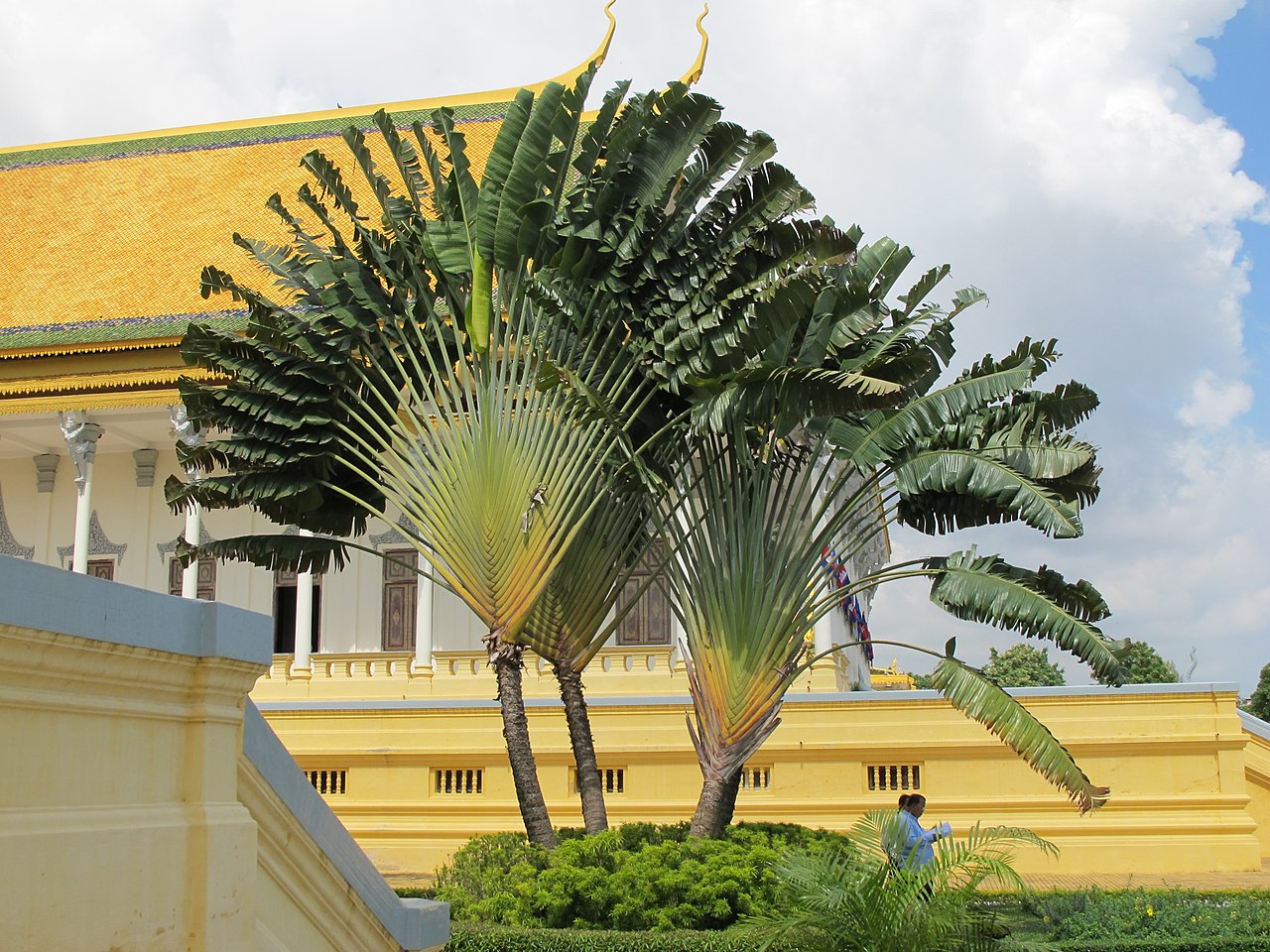
The name “traveler’s palm” is wrapped in the myth that the plant aligns itself perfectly North-South or East-West to guide travelers. While it is a romantic notion, it is not scientifically accurate. The travel palm plant does tend to orient its fan to maximize sun exposure. In the morning and evening, the sun is lower, so facing the broad side of the fan East-West catches the most light. However, this is influenced by where the light is coming from in that specific location.
If you plant one next to a building, it will orient itself away from the wall to find the light. In a dense forest, it might twist to find a gap in the canopy. So, while it might roughly point in a cardinal direction in an open field, you should probably stick to a GPS or a real compass for navigation. The other myth, that the water stored in the leaf bases is safe to drink, is also risky. While water does collect there, it is often full of mosquitoes, dead insects, and decaying plant matter. It is a last resort for survival, not a refreshing beverage.
Comparison with Bird of Paradise
It is very common to confuse the travel palm plant with the White Bird of Paradise (Strelitzia nicolai). They are closely related and look very similar when young. Both have large, paddle-shaped leaves and thick trunks. However, there are key differences. The most obvious is the arrangement of the leaves. The travel palm plant has leaves that are strictly distichous—arranged in a single plane like a flat fan. The Bird of Paradise has leaves that spiral around the trunk or grow in a more clumped, multi-directional fashion.
Another difference is the size. The travel palm plant grows significantly larger, with a massive trunk that is much more prominent than the Bird of Paradise. The flowers also differ; the Bird of Paradise has the classic blue and white “bird” flower, while the traveler’s palm has smaller, creamy-white flowers that are less showy. Understanding these differences ensures you buy the right plant for your space. If you have a smaller garden, the Bird of Paradise might be a better fit, but for sheer dramatic scale, the traveler’s palm wins.
Impact on Local Ecosystems
In its native Madagascar, the travel palm plant plays a crucial role in the ecosystem. It is pollinated by lemurs, specifically the ruffed lemurs. These animals have the strength to pull open the tough flower bracts to get to the nectar, and in doing so, they get pollen on their fur which they carry to the next flower. This symbiotic relationship is a beautiful example of co-evolution.
However, in some parts of the world where it has been introduced, the travel palm plant can be invasive if not managed. It grows vigorously and can shade out native flora. In a home garden setting, this is rarely an issue because you are likely planting just one or two. But it serves as a reminder that when we plant exotic species, we have a responsibility to keep them contained within our own landscapes. Being a responsible gardener means enjoying the beauty of these global treasures while respecting the local environment.
Cost and Availability
Buying a travel palm plant can be an investment. Small, starter plants in 3-gallon pots are generally affordable, ranging from $30 to $60. However, because they are slow to start from seed, larger specimens command a premium. A semi-mature plant with a developed trunk can cost hundreds of dollars. Landscape-ready specimens that are 10 feet tall or more can easily run into the thousands, largely due to the difficulty of transporting such a large, heavy, and fragile plant.
You can find them at specialty nurseries that focus on palms and tropicals. General “big box” garden centers rarely stock them unless you live in a very tropical area like South Florida or Hawaii. When buying, inspect the plant carefully. Look for a symmetrical fan shape. Avoid plants with damaged trunks or signs of pest infestation. It is often better to buy a smaller, healthy plant and let it grow into your space than to buy a large, stressed plant that might struggle to establish itself.
Frequently Asked Questions (FAQ)
Q: Can I grow a travel palm plant indoors?
A: Yes, but only when it is young or if you have a very large space with high ceilings and massive windows. They eventually grow too large for standard homes.
Q: Is the travel palm plant toxic to dogs or cats?
A: It is considered mildly toxic. Ingesting the leaves can cause stomach upset, vomiting, or drooling in pets. It is best to keep an eye on pets around this plant.
Q: Why are the leaves on my plant tearing?
A: Tearing is natural for this plant, especially in windy conditions. The leaves are designed to tear to allow wind to pass through without snapping the stem. However, excessive tearing might mean it needs a more sheltered spot.
Q: How fast does a travel palm plant grow?
A: In ideal tropical conditions, it is a fast grower and can gain several feet per year. In cooler climates or pots, growth is much slower.
Q: Does it produce fruit?
A: Yes, after flowering, it produces brown woody capsules that contain bright blue seeds. However, it rarely flowers or fruits when grown outside of tropical zones.
Conclusion
The travel palm plant is truly one of the monarchs of the tropical garden. Its striking symmetry, massive size, and legendary history make it a conversation starter unlike any other. While it requires space and warmth, the reward is a living sculpture that transforms a backyard into a paradise. Whether you are planting it in the ground to tower over your home or keeping a smaller one in a sunny patio corner, the care you invest will be returned tenfold in beauty.
Remember that gardening is a journey, much like the travelers this plant is named for. Observance is key. Watch how the light hits the leaves, monitor the soil moisture, and protect it from the cold. For more inspiration on bringing nature into your life and travels, you can explore resources like https://reelsaround.co.uk/ which celebrate the beauty of the world around us. And if you want to dive even deeper into the botanical classification of this fascinating species, you can find a link from Wikipedia regarding the Ravenala genus to expand your knowledge further. Happy gardening!