

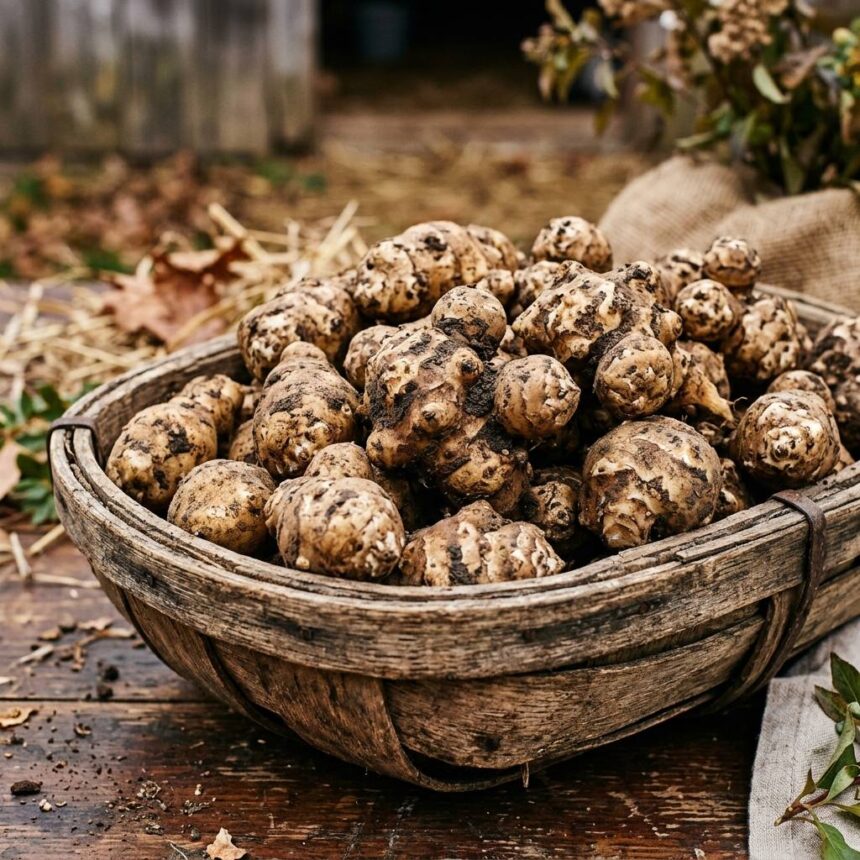

Sunchoke is one of those vegetables that surprises people in the best way. It looks a bit rough and knobby, but once you learn about it, you may want it in your garden and on your plate. This hardy tuber is also called Jerusalem artichoke, though it is neither from Jerusalem nor a true artichoke.
- What Is a Sunchoke?
- Why Sunchoke Is Getting More Attention
- Sunchoke in English and Other Names
- What the Sunchoke Plant Looks Like
- The Beauty of the Sunchoke Flower
- What Does a Sunchoke Taste Like?
- Sunchoke Benefits for Health
- Nutritional Value of Sunchokes
- Where Sunchokes Grow Best
- How to Plant Sunchokes Successfully
- How to Grow Sunchokes Successfully
- Can You Grow Sunchokes in Containers?
- What About Sunchoke Seeds?
- Caring for Sunchokes Through the Season
- When and How to Harvest Sunchokes
- How to Store Sunchokes After Harvest
- How to Cook Sunchokes
- A Simple Sunchoke Recipe Idea
- Managing Invasive Spread
- Sunchokes in an Edible Landscape
- Is Sunchoke Worth Growing and Eating?
If you have ever wondered what Sunchoke in english means, it usually refers to the common name for Helianthus tuberosus, a tuber-producing sunflower. In this guide, you will learn what it is, why people grow it, how to cook it, and how to keep it from taking over the garden.
What Is a Sunchoke?
A Sunchoke is the edible tuber of Helianthus tuberosus, a tall perennial in the sunflower family. It is also known as sunroot, Jerusalem artichoke, and in some places simply a wild sunflower tuber.
The plant is native to North America and has been used as food for a very long time. Today, people grow it for its crisp texture, nutty taste, bright flowers, and easy growth in home gardens.
A quick identity note
The Sunchoke plant is not related to globe artichokes in the kitchen-garden sense. It is much closer to a sunflower, both in look and in growth habit.
| Feature | Details |
| Common name | Sunchoke, Jerusalem artichoke |
| Scientific name | Helianthus tuberosus |
| Family | Asteraceae |
| Plant type | Perennial sunflower |
| Edible part | Underground tubers |
| Best growing zones | Zones 3-8 |
| Height | About 6 to 10 feet |
| Flavor | Nutty, sweet, earthy |
| Texture | Crisp raw, soft when cooked |
| Main carbohydrate | Inulin |
| Flower color | Bright yellow |
| Spread habit | Fast-spreading if unmanaged |
Why Sunchoke Is Getting More Attention
More gardeners are trying Sunchoke because it gives food and flowers from one plant. It fits well in edible landscapes and often grows with much less fuss than many common vegetables.
Cooks also like it because it brings a different texture to meals. It can be roasted, pickled, shaved raw into salads, or turned into a cozy Sunchoke recipe like soup or mash.
Why people keep talking about it
It is one of those crops that feels both old-fashioned and fresh at the same time. You get beauty, food, and a strong garden performer in one patch.
Sunchoke in English and Other Names
When people search Sunchoke in english, they are usually asking for the standard English name or meaning. In English, Sunchoke and Jerusalem artichoke are the two names you will see most often.
The word Sunchoke is often preferred because it sounds simpler and causes less confusion. It points more clearly to the plant’s sunflower roots, which makes sense once you see the tall stems and yellow blooms.
Sunchoke in Chinese
Sunchoke in Chinese is 洋姜 (Yángjiāng). If you shop in Asian markets or read Chinese recipes, this is the term you may see on labels or menus.
What the Sunchoke Plant Looks Like
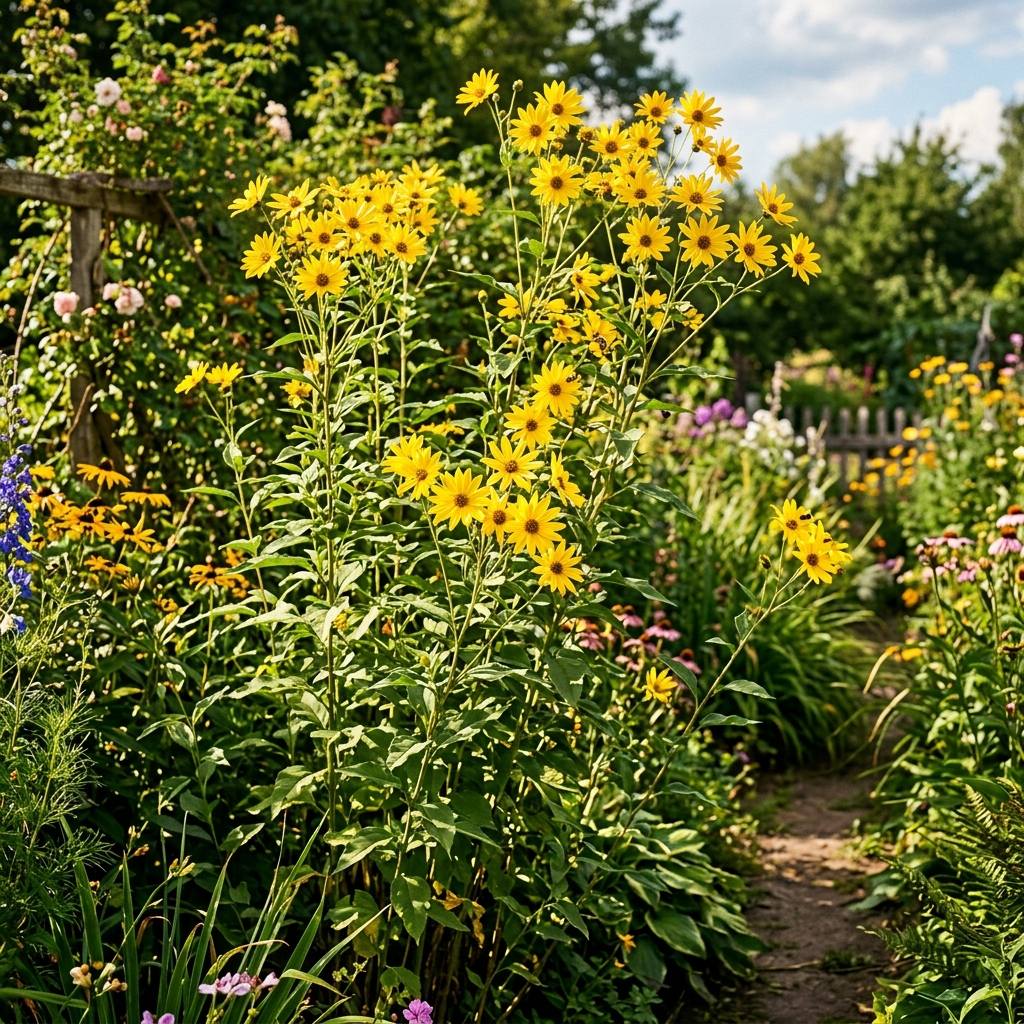
The Sunchoke plant grows tall, upright, and full of life. In good soil with enough sun, it can reach 6 to 10 feet, making it useful as a summer screen along a fence or at the back of a garden bed.
Its leaves are rough and green, and the stems are sturdy. Underground, the plant forms knobby tubers that often look like a cross between ginger and a small potato.
A plant with presence
This is not a shy vegetable. Once it gets going, it stands out in the garden and brings a wild, cheerful look that many people love.
The Beauty of the Sunchoke Flower
The Sunchoke flower is small compared with a giant sunflower, but it is still bright and lovely. The petals are yellow, and the blooms bring a soft late-season splash of color to the yard.
These flowers also help pollinators and attract useful insects. If you want a vegetable that doubles as an ornamental plant, this is where Sunchoke really shines.
More than just a food crop
A patch of blooming Sunchoke flower heads can make the garden feel alive. It is one reason many people grow it even before they fall in love with the tubers.
What Does a Sunchoke Taste Like?
If you have never tried one, the best way to imagine the flavor is a mix of potato, hazelnut, and a little sweetness. Some people also notice a taste similar to jicama or water chestnut when the tuber is raw.
That is what makes it fun in the kitchen. It can be sliced into salads for crunch, roasted until golden, or blended into soups for a smooth and rich finish.
Raw vs cooked flavor
Raw sunchokes stay crisp and fresh tasting. Cooked ones become softer and deeper in flavor, with more sweetness and a gentle nuttiness.
I think this is where the magic happens. Roast them well, and the edges turn deliciously brown while the center stays creamy and tender!
Sunchoke Benefits for Health
One of the biggest Sunchoke benefits is that it contains inulin instead of the heavy starch found in potatoes. Inulin is a type of fiber that can support gut health and help feed beneficial bacteria in the digestive system.
Sunchoke also provides minerals like potassium and iron, along with small amounts of other nutrients. It is low in fat, contains a little protein, and can be a smart choice for people who want variety in their vegetables.
A note about digestion
Some people feel gas or bloating after eating a lot of Sunchoke. That happens because inulin is fermented in the gut, so it is wise to start with a small portion.
Nutritional Value of Sunchokes
Raw Sunchoke has a clean, crisp bite and a mild sweetness. Per 100 grams, it is modest in calories and offers carbohydrates, a bit of fiber, and useful minerals without much fat.
What makes it stand out is not flashy protein or vitamin levels, but its unusual carbohydrate profile. That gives Sunchoke benefits a special place in discussions about fiber-rich foods and prebiotic ingredients.
What matters most nutritionally
If you remember one thing, remember inulin. It is the key reason Sunchoke is often discussed in health and food conversations.
Where Sunchokes Grow Best
Sunchoke grows well in Zones 3-8, which is one reason it has become popular with home gardeners. It handles cold well, and the tubers can stay in the ground through winter in many places.
It prefers full sun and does best in loose, well-drained soil. Still, it is famous for being adaptable and can manage in less-than-perfect ground if drainage is decent.
Good site choices
Plant it where it has room to rise and spread. A sunny edge, back border, or dedicated bed works much better than a tight mixed vegetable row.
How to Plant Sunchokes Successfully
Most people plant Sunchoke from tubers, not from transplants. A tuber piece with a few healthy eyes is enough to start a strong new plant when placed a few inches deep in spring.
Space matters because these plants get big. Give them about 12 to 18 inches between plants, and rows can be wider if you want easy harvest and walking space.
Planting tip
Think of it like planting potatoes, but with a taller and wilder result. Simple planting often works just fine with Jerusalem artichoke.
How to Grow Sunchokes Successfully
Growing sunchokes is refreshingly simple. Plant the tubers in well-drained soil, place them a few inches deep, and give them sun and moderate water as they settle in.
They do best in loose soil because harvest is easier there, but they can still grow in heavier ground. Many gardeners say this crop succeeds even when other plants struggle, which is quite impressive.
Spacing and planting basics
A common method is to plant tuber pieces about 4 inches deep and 12 to 18 inches apart. Rows can be spaced wider if you want more room to move around at harvest time.
Each planted piece should have healthy buds or eyes. That is where new growth begins, and it is the easiest sign that the tuber is ready to go.
Can You Grow Sunchokes in Containers?
Yes, and this is a smart option if you worry about spreading. Growing sunchokes in large containers helps keep the crop under control and makes harvest much easier.
When the season ends, you can simply empty the container and collect the tubers. That is much easier than digging around carefully in a crowded garden bed!
Container growing tips
Use a deep pot or grow bag with good drainage and quality soil. Since containers dry out faster, you will need to water more often than you would in the ground.
This method is especially helpful in smaller yards. It is also a great way to test the crop before giving it a permanent place.
What About Sunchoke Seeds?
People do search for Sunchoke seeds, but seeds are not the usual way to grow this crop. In most gardens, tubers are the practical and reliable way to start new plants.
Seeds may form after flowering, but they are less predictable for home growing. If your goal is a solid harvest, use tubers instead of chasing Sunchoke seeds.
The easy route
For most gardeners, tubers save time and give better results. That is why seed packets are much less common than fresh planting tubers.
Caring for Sunchokes Through the Season
Once established, Jerusalem artichoke is fairly easygoing. It likes moisture, but soggy ground can rot the tubers, so even watering is better than overwatering.
Tall stems may lean in windy places, especially in rich soil. Some gardeners cut the plants back a bit in early summer to manage height and make the patch easier to handle.
Keep it simple
This is not a needy crop. Sun, space, and decent soil do most of the work.
When and How to Harvest Sunchokes
Harvest usually starts in fall after flowering, when the weather cools and the tops begin to die back. Many people say the flavor improves after frost, becoming sweeter and more rounded.
Use a digging fork and lift carefully because the tubers hide in odd directions. It is common to miss a few, and those leftovers often return as new plants next season.
Harvest timing tip
If your soil does not freeze solid, you can leave tubers in the ground and dig as needed. That is one of the easiest ways to store Jerusalem artichoke.
How to Store Sunchokes After Harvest
Fresh sunchokes do not store exactly like potatoes. Their skin is thinner, so they can dry out faster if left in a warm or airy place.
The easiest method is to keep them cool and slightly humid, or simply leave them in the ground and dig as needed if your soil stays workable through winter. Many gardeners prefer that approach.
Keep them fresh longer
If you bring them indoors, brush off extra soil and refrigerate them in a bag with some airflow. Do not wash them until you are ready to use them.
That little step helps a lot. Too much moisture too early can shorten storage life.
How to Cook Sunchokes
You can eat Sunchoke raw, roasted, steamed, sautéed, mashed, or pickled. Raw slices are crisp like water chestnuts or jicama, while cooked ones turn tender and rich.
Roasting is a favorite because it brings out the sweet, nutty side of the tuber. Thin slices also work well in salads, and pureed Jerusalem artichoke can make soups feel silky and full without being heavy.
Kitchen note
There is no need to overcomplicate it. A little oil, salt, heat, and patience can turn Sunchoke into something truly delicious.
A Simple Sunchoke Recipe Idea
A classic Sunchoke recipe is roasted Jerusalem artichoke with olive oil, garlic, and herbs. Wash them well, cut into chunks, toss with oil and seasoning, then roast until browned outside and soft inside.
Another easy Sunchoke recipe is a warm soup with onion, stock, and a touch of cream. The tubers break down beautifully and create a smooth texture with a gentle earthy sweetness.
Easy serving idea
Serve roasted Sunchoke beside chicken, fish, or eggs. It also works well with lemon, butter, thyme, or parmesan.
Managing Invasive Spread
This is the part many guides rush through, but it matters. Jerusalem artichoke spreads from leftover tubers, and even small pieces can return next year with surprising energy.
If you want control, grow it in large containers or in a clearly defined bed. Harvest carefully and often, and avoid planting it where you plan to switch to delicate crops next season.
Smart control methods
Dedicate a space to it, or use tubs and raised beds with clear boundaries. That way, you enjoy the crop without turning cleanup into a yearly battle.
Sunchokes in an Edible Landscape
Sunchoke is one of the easiest crops to blend into a decorative yard. Its tall stems and bright flowers create a loose, natural screen that can soften fences or mark garden edges.
Because it looks lively and useful at the same time, it suits modern edible landscaping very well. You get the feel of a flower planting and the reward of a root crop under the soil.
Why gardeners enjoy it
It brings practical beauty. That combination is hard to beat when space matters.
Is Sunchoke Worth Growing and Eating?
For many people, the answer is yes. Sunchoke offers flavor, flowers, resilience, and strong garden performance with less pampering than many vegetables demand.
It is not perfect for every space because of its spread, but it gives a lot back for a little effort. If you like useful plants with personality, Jerusalem artichoke is absolutely worth a closer look.
Final takeaway
Start small, harvest well, and cook it simply. That is often the best way to discover why so many gardeners keep coming back to Jerusalem artichoke.