

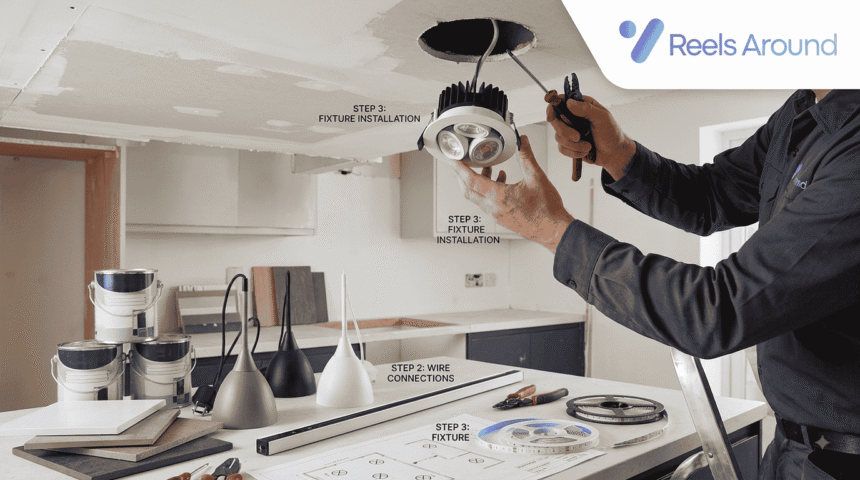

Remodel lighting changes how a home feels, but smart lighting solutions begin with function. I first inspect rooms, finishes, and routines before choosing fixtures, because comfort matters more than decoration alone.
Thoughtful lighting can reshape mood, atmosphere, and perceived value without a complete overhaul. During home renovation, I balance artificial lighting with natural light, then test choices around household activities.
Details such as cabinetry, tile, countertops, wood, stone, and fabric respond differently to illumination. Good lighting design protects usability, reduces eye strain, and makes architectural details easier to appreciate.
A practical lighting strategy combines layered lighting, flexible lighting options, and a clear lighting plan. Ambient lighting, task lighting, and accent lighting can make spaces dramatic, cozy, cool, productive, or playful.
The Three Layers Of Lighting
Ambient lighting establishes overall illumination, while task lighting supplies focused light for specific activities. Accent lighting adds depth, character, and visual interest, preventing rooms from feeling visually flat.
For general illumination, recessed lights, flush fixtures, semi-flush fixtures, and cove lighting provide different architectural effects. Pendants and chandeliers can establish a comfortable baseline while supporting decorative intent.
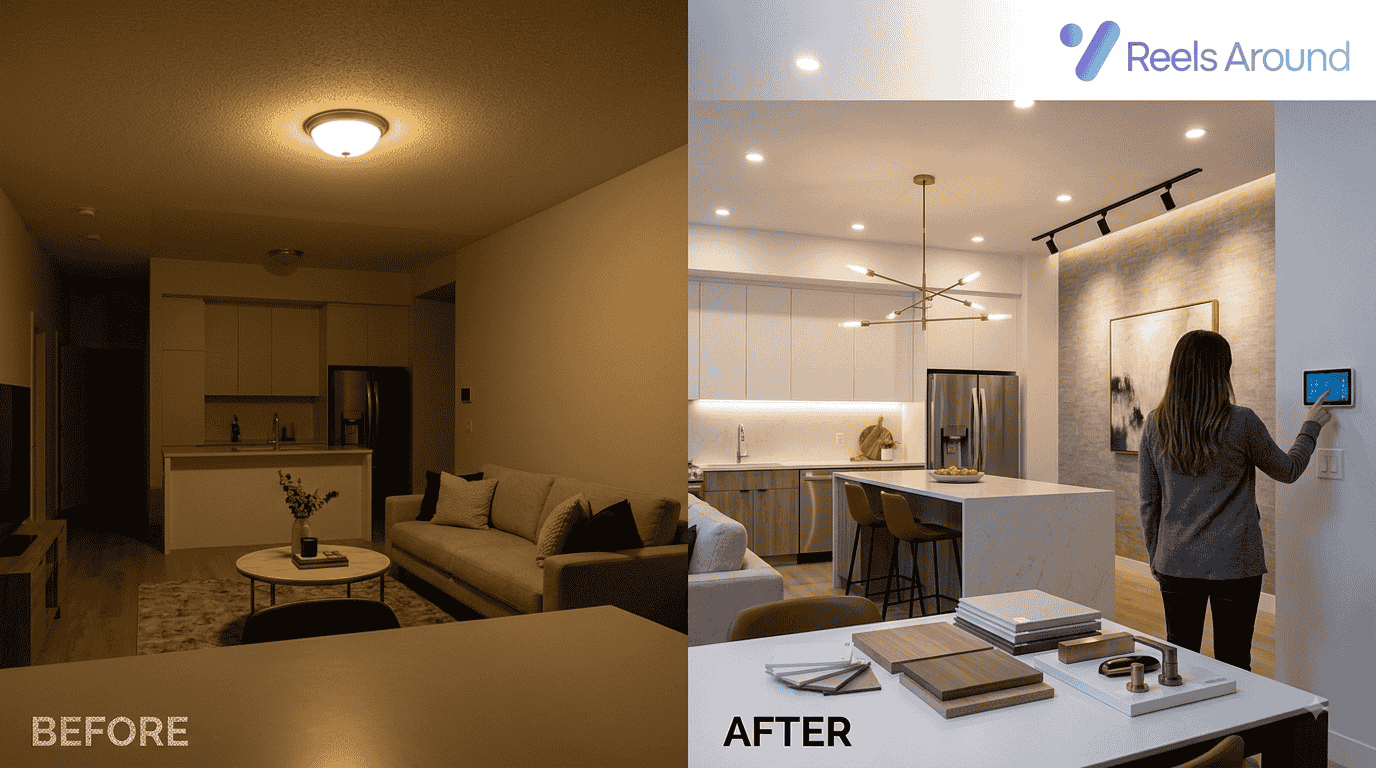
I often recommend dimmers because they provide flexibility across changing routines. Kitchen counters, kitchen islands, sinks, cooktops, bathroom vanities, showers, desks, and reading areas each need tailored brightness.
Use work surfaces, cabinets, artwork, textured surfaces, architectural details, and millwork to determine accent locations. Separate lighting layers, separate controls, and defined lighting zones reduce shadows and glare while improving room design, functionality, and atmosphere.
Planning Lighting During A Remodel
Good lighting planning starts before walls, cabinetry, or finishes are finalized. During a remodel, fixture placement should respond to room usage, household tasks, and the intended lighting strategy.
Early planning prevents costly corrections after electrical work begins. I map lighting fixtures against the room layout, particularly the kitchen layout, because later changes can disturb finished surfaces and established proportions.
Consider lighting intensity, color temperature, lighting layers, and lighting controls alongside available natural light and daylight. This reveals where shadows, glare, and changing activities could affect the desired atmosphere.
Well-planned artificial lighting should support work areas, cabinets, recessed lighting, and task lighting without sacrificing lighting zones, usability, function, or design. Planning around behavior usually produces better results than choosing fixtures first.
Kitchen Lighting
Effective kitchen lighting begins where people actually work: the countertop. Proper visibility and suitable color tempeAmbient lightingrature make preparation easier, while layered lighting prevents isolated bright spots from dominating the room.
Under-cabinet lighting and undershelf lighting illuminate work surfaces directly. Recessed lighting provides ambient illumination from the ceiling, while pendants over the kitchen island can visually organize the workspace.
Position light carefully around the cooktop and sink, then consider toe-kick lighting and in-cabinet lighting for subtle nighttime movement. Task lighting and accent lighting can reveal cabinetry details without creating distracting reflections.
Dishware, artwork, and selected finishes deserve controlled emphasis. Avoid shadows, glare, and interrupted illumination by combining continuous illumination with purposeful fixtures rather than relying on isolated spots throughout busy work areas.
Bathroom Lighting
Good bathroom lighting balances functionality with aesthetics. Wall sconces beside mirrors improve facial illumination by reducing unwanted shadows, while carefully positioned pendant fixtures can complement a distinctive backsplash.
LED mirrors provide diffused illumination that can support grooming and self-care. Combine vanity lighting with overhead lighting, especially where high-CRI sources improve visibility around faces and reflective surfaces.
Vertical sconces and lighted mirrors can strengthen symmetry, while lighting near a shower or tub should suit the fixture requirements. Control glare with appropriate positioning and useful dimming for nighttime routines.
A balanced combination of task lighting, ambient lighting, and comfortable illumination makes a bathroom adaptable. Accurate skin tones, appropriate fixtures, and thoughtful bathroom design matter more than excessive brightness alone.
Bedroom Lighting
Bedroom lighting should feel personal and expressive, rather than simply bright. Pendant fixtures or bedside lamps near each nightstand can create useful pools of illumination without dominating the entire room.
I particularly like asymmetrical lighting when the room supports it. Thoughtful bedside lighting can mix style and function, while soft lighting and warm lighting encourage winding down after demanding days.
Table lamps and sconces work well for reading, especially when their placement avoids direct glare. Ceiling fixtures remain useful, but dimming helps prevent the discomfort associated with harsh overhead lighting.
Dressing tables and vanities need practical task lighting, while the rest of the room benefits from controlled atmosphere and comfort. The goal is adaptable illumination that supports changing personal routines.
Living Room Lighting
Living room lighting should remain flexible, because the space may be used for relaxing, entertaining, reading, or conversation. Ambient lighting from overhead fixtures establishes general illumination without dictating one activity.
Use warm color temperatures to develop a cozy atmosphere, then add task lighting around selected seating areas. Accent lighting can emphasize architectural features or decorative features without overwhelming the room.
Dimmers allow practical control over brightness, depending on the activity, time, and desired mood. I prefer this flexibility to installing one powerful fixture expected to perform every lighting job.
A strong layered lighting approach creates defined lighting zones with separate controls. This makes room function easier to adjust and keeps the overall atmosphere comfortable throughout changing household routines.
Basement Lighting
Basement lighting must compensate for limited natural light, especially where windows are small. LED strips can highlight beams, columns, mirrors, and architectural reveals without consuming valuable ceiling space.
Where low ceiling clearance exists, slim LED downlights can provide useful coverage. Recessed lighting and efficient LED lighting brighten dark spaces, while suitable brightness should reflect how each recreational area is used.
Combine overhead lighting, task lighting, and track lighting for general illumination. Floor lamps and table lamps can supplement seating areas without demanding additional ceiling construction during an established remodel.
Use accent lighting to emphasize architectural features or artwork, especially around home theaters. Controlled ambient light is valuable where blockable light improves screen viewing, relaxation, and practical room use.
Entryway Lighting
Effective entryway lighting should feel welcoming without becoming theatrical. A coordinated lighting scheme may use statement pendants or chandeliers as architectural focal points, particularly where ceiling height permits.
Wall sconces can establish symmetry, while softer illumination prevents the entrance from feeling harsh after dark. Their placement should support the proportions of doors, walls, and nearby circulation.
Small table lamps positioned on console tables can supply gentle task lighting for practical surfaces. This also allows homeowners to combine different fixture types according to actual functionality.
The best entrance combines style with practical functionality. A carefully planned entrance can use ambient lighting and decorative lighting together, creating a comfortable transition between exterior darkness and interior living spaces.
Dining Room Lighting
Dining room lighting often benefits from a central chandelier or carefully scaled pendant above the dining table. The fixture should provide useful illumination while preserving visual comfort for everyone seated below.
Choose warm light and diffused light when creating an intimate atmosphere. Dimmers make it easier to change brightness for everyday meals, celebrations, conversations, and quieter evening occasions.
Wall sconces around the room perimeter can provide secondary illumination without competing with the table fixture. They can also highlight artwork, giving the room greater depth and supporting a defined focal point.
Use ambient lighting with decorative lighting rather than expecting one fixture to handle every requirement. This layered approach keeps the dining environment adaptable while maintaining visual balance around the table.
Home Office Lighting
Home office lighting works best when natural light and daylight are considered before adding fixtures. A desk lighting solution should support task lighting without competing against useful window illumination.
When artificial lighting is necessary, control glare carefully. Adjustable desk lamps and floor lamps allow the user to move illumination as work patterns, monitors, documents, and seating positions change.
Personalized brightness is particularly useful in a workspace where different tasks require different levels of productivity and illumination. Fixture positioning should reduce reflections and preserve visual comfort.
The practical goal is balanced lighting rather than maximum brightness. Combining daylight, movable fixtures, and controlled task illumination allows the office to remain functional during changing schedules and varying levels of outdoor light.
Outdoor Lighting
Good outdoor lighting creates a usable atmosphere around the exterior after sunset. String lights and lanterns can provide gentle ambient lighting, while pathway lights make walkways easier to navigate.
Use targeted illumination and uplighting to emphasize trees or architectural features. The objective is controlled visibility, not flooding every surface with excessive brightness.
Motion-sensor lighting improves security while adding everyday convenience near entrances, garages, and circulation routes. Sensors can reduce unnecessary operation when areas remain unused.
For comfortable evening lighting, combine practical fixtures with softer sources across outdoor spaces. A balanced arrangement improves movement, visual interest, and usability without making the property appear excessively bright.
Natural Light
Natural light should be evaluated before increasing artificial illumination. Existing daylight from windows, clerestories, and skylights can dramatically influence brightness patterns throughout a home.
Where conventional openings are limited, light tubes may introduce daylight deeper into interior areas. This can reduce reliance on artificial lighting during daytime hours and improve visual comfort.
Good daylighting considers changing brightness throughout the day. Using available exterior light strategically can lower energy consumption while supporting better energy efficiency across frequently occupied interior spaces.
The quality of exterior light also changes how finishes appear. During planning, observe daylight at different times rather than judging a room from one photograph or one short daytime visit.
Color Temperature
Color temperature is measured in Kelvin, with 2700K, 3000K, 3500K, and 4000K producing noticeably different visual impressions. Lower values generally appear warm, soft, and inviting.
A neutral-warm source can feel comfortable, while cool light appears more crisp. Selection should follow the purpose of living areas, kitchens, bathrooms, basements, and workspaces.
Problems arise when lighting appearance becomes inconsistent between adjoining spaces. I usually evaluate fixtures together because different LEDs and light sources can produce unexpected differences.
Ultimately, room function, atmosphere, and lighting design should determine temperature. Matching sources carefully creates continuity, while deliberate contrast can distinguish areas when the architectural plan benefits from separation.
CRI / Color Accuracy
CRI, or color rendering index, measures perceived color accuracy against a reference. Natural daylight provides a familiar comparison, while the 0–100 scale helps consumers understand source performance.
For many homes, 80 CRI is acceptable, while 90+ CRI provides excellent color accuracy where appearance matters. This becomes especially noticeable with wood, paint, skin tones, stone, and tile.
During a remodel, evaluate finishes under the actual LEDs being considered. High-quality sources can improve perceived material depth, while poor rendering can make carefully selected surfaces look unexpectedly dull.
High-CRI lighting is especially useful in a kitchen or bathroom, where visual inspection matters. Better color rendering can improve overall visual quality and maintain the intended appearance of finished materials.
Dimmers And Lighting Controls
Dimmers make lighting controls more useful by allowing changes in brightness throughout the day. This adds flexibility to ambient lighting, accent lighting, and task lighting without requiring multiple fixture replacements.
Use separate switches when different lighting functions deserve independent adjustment. Defining lighting zones gives homeowners control over combinations that suit meals, cleaning, entertaining, relaxation, or late-night movement.
Always select compatible dimmers for LED fixtures and LED lighting. Poor compatibility can cause flicker, limited range, or unwanted nighttime glare, reducing the practical value of the control system.
A thoughtful lighting plan can coordinate room functions, a master switch, and individual control points. In living rooms, dining rooms, and bathrooms, separate controls provide useful adjustment without unnecessary complexity.
Common Lighting Mistakes
Common lighting mistakes include excessive recessed lighting, mismatched color temperatures, missing dimmers, and careless fixture placement. These problems usually become obvious when real activities begin after the remodel is complete.
Ignoring cabinetry and the existing layout can create shadows where people actually work. Low-CRI LEDs may also make attractive finishes appear dull, despite technically providing sufficient brightness.
Too many fixtures do not automatically create better lighting types or stronger layered lighting. Poor positioning can increase shadows and glare, especially when natural daylight already enters the room.
Good lighting design depends on flexibility and thoughtful fixture selection. Correcting poor placement after construction can require expensive electrical changes, so careful room planning remains cheaper than later lighting corrections.
Lighting Ideas / Fixture Options
Useful LED strip lighting, undershelf lighting, and under-cabinet lighting can improve work areas without overwhelming ceilings. Recessed lighting and slim downlights provide discreet general coverage where traditional fixtures feel bulky.
Pendants, wall sconces, LED mirrors, and asymmetrical bedside lighting offer more localized solutions. Natural-light solutions can complement flush fixtures, semi-flush fixtures, cove lighting, and chandeliers.
For subtle architectural effects, consider toe-kick lighting, in-cabinet lighting, picture lights, and art lights. High-CRI LEDs can improve material appearance while table lamps, floor lamps, and desk lamps add flexibility.
Outdoor areas can use track lighting, string lights, lanterns, pathway lights, motion-sensor lights, and uplighting. Combining these lighting fixtures with ambient lighting, task lighting, and accent lighting creates adaptable spaces.
Worth Keeping
Entryway lighting, living room lighting, dining room lighting, and home office lighting are worth keeping when existing electrical positions already support useful room functions and comfortable illumination.
Outdoor systems deserve evaluation too, particularly outdoor lighting, motion-sensor outdoor lighting, and thoughtfully positioned architectural lighting. Existing fixtures can sometimes be upgraded rather than completely removed.
For interiors, CRI and color accuracy are often overlooked assets. Likewise, low-clearance ceilings may favor compact solutions instead of extensive demolition, especially when current wiring remains serviceable.
In bedrooms, asymmetrical bedroom lighting can provide character without requiring symmetry. LED mirror lighting, home theaters, task lighting, ambient lighting, and accent lighting can also remain valuable when their performance suits the remodeled space.
Strongest Combined Article Structure
A strong structure begins with Introduction, then explains why lighting matters before moving into plan your lighting before remodeling and three layers of lighting. This establishes the reasoning before individual fixture decisions.
Next, cover color temperature, CRI, and color accuracy, followed by room-by-room lighting. Include the kitchen, living room, dining room, bedroom, bathroom, entryway, home office, basement, and outdoor areas.
The practical middle section should examine lighting fixtures, natural light, dimmers, and lighting controls. These subjects connect fixture selection with the electrical planning, daylight conditions, and adjustment needs encountered during real remodeling projects.
Finish the working framework with common lighting remodeling mistakes, lighting value, and final lighting remodel considerations. This organization keeps the discussion focused on decisions, performance, flexibility, and long-term usefulness rather than decoration alone.