
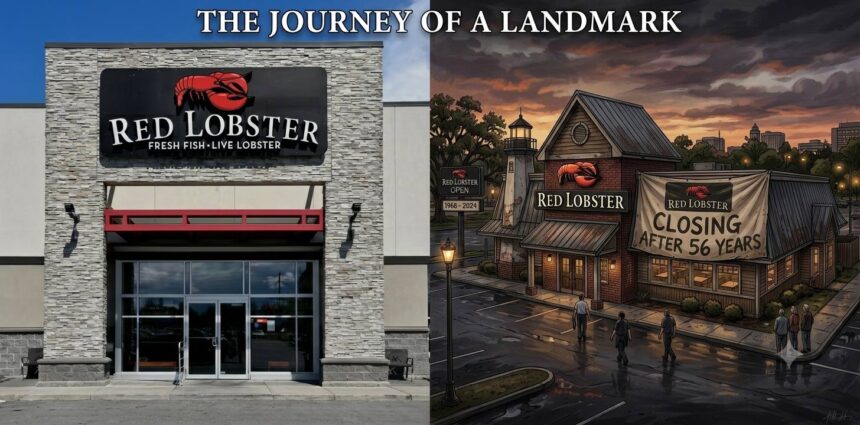

The oldest and continuously operating Red Lobster in the country is set to close its doors after 56 years of business. Located on North Monroe Street, Tallahassee, it will serve its last meal on May 24.
The closure, confirmed by the store manager and employees, was not publicly announced by the company. Opened in 1970, it offered family-priced seafood in a welcoming environment, featuring baby shrimp, crabmeat, and baked oysters for just $1.85.
The steak and lobster dinner, priced at $3.55, became a hallmark of the restaurant’s history. Despite its financial stability challenges, including Chapter 11 bankruptcy, the location remained a community favorite for decades.
The rising costs of labor, food, and leases contributed to the financial issues. The failed endless shrimp promotion further strained the business, leading to closures of hundreds of stores nationwide.
With 480 locations remaining, the Tallahassee Red Lobster stands as a testament to the company’s legacy. Its closure marks the end of an era, leaving behind cherished memories for its loyal customers.
History of the Tallahassee Red Lobster
The Tallahassee location, opened in October 1970, was among the first in the company’s history. It aimed to provide family-priced seafood in a homely environment, making customers feel at home.
The menu featured baby shrimp, crabmeat, and baked oysters for $1.85, alongside a steak and lobster dinner priced at $3.55. These prices reflected the era’s affordability, attracting a loyal customer base.
As the oldest operating location, it became a symbol of the company’s growth. The Red Lobster Restaurant and Lounge was a pioneer, offering child’s dinners for 79 cents and fish fillets for $2.85.
The longest-running location in the company, it witnessed the evolution of seafood dining. Its ads from 1970 showcased its commitment to quality and affordability, setting a benchmark for the industry.
This location’s legacy is intertwined with the company’s journey, reflecting its commitment to serving delicious seafood at reasonable prices. It remains a cherished part of Tallahassee’s history.
Reasons for Closure
The closure of this iconic location stems from efforts to regain financial stability. In 2024, the company filed for Chapter 11 bankruptcy, citing rising costs of labor, food, and leases as key factors.
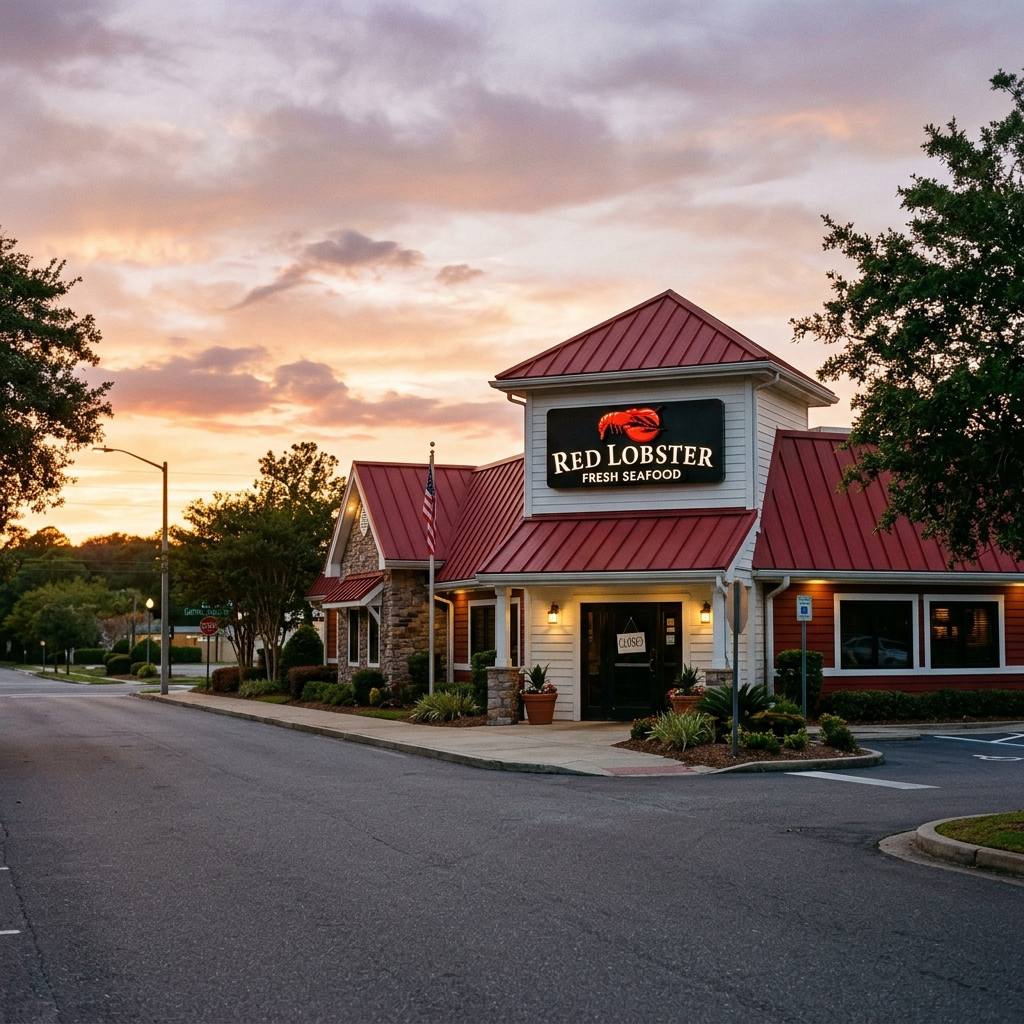
The failed endless shrimp promotion exacerbated the financial issues, leading to the closure of hundreds of stores. The CEO, Damola Adamolekun, emphasized the need for downsizing and reviewing leases to optimize the real estate footprint.
The decision to close was part of the normal course of business, reflecting individual business circumstances. The company evaluates restaurant performance and lease terms, choosing to relocate or close select restaurants as needed.
The Wall Street Journal highlighted the company’s strategy to address its financial challenges. The closure of 130 restaurants during the 2024 bankruptcy filing marked a significant shift in its operations.
This location’s closure is a reflection of the broader challenges faced by the company, as it navigates a path toward sustainability and growth in a competitive marketplace.
Community Impact
The closure of Red Lobster in Tallahassee has left a void in the community, where it held a special place. Its grand re-opening was a testament to its resilience, despite the struggles it faced.
The restaurant was a meaningful part of the community, serving as a gathering spot for decades. The guests and team members who supported it over the years share a deep sense of gratitude.
The layoffs of corporate staff and workforce cuts further impacted the community, highlighting the challenges of maintaining financial stability in a changing economic landscape.
This location’s history is intertwined with the community’s identity, making its closure a poignant moment. Its legacy will be remembered by those who cherished its presence.
The restaurant’s struggles reflect broader industry trends, where financial pressures and changing consumer preferences have reshaped the dining landscape. Its closure is a reminder of the challenges faced by iconic establishments.
Bankruptcy and Financial Struggles
The company’s Chapter 11 bankruptcy in 2024 was a turning point, driven by rising costs of labor, food, and leases. The failed endless shrimp promotion further strained its financial resources.
The liabilities and assets, estimated between $1 billion and $10 billion, underscored the magnitude of its financial challenges. The court filing, obtained by the Associated Press, highlighted the need for restructuring.
The company’s strategy included addressing financial issues through operational improvements. The focus was on creating a sustainable business model, ensuring the viability of its remaining locations.
The bankruptcy filing marked a significant shift in the company’s operations, with efforts to streamline costs and optimize resources. The closure of locations was a necessary step in this process.
This location’s closure is a reflection of the broader financial struggles, as the company navigates challenges to remain competitive in a dynamic marketplace.
Grand Reopening in 2024
The Tallahassee location survived the initial wave of closures, hosting a grand re-opening in 2024. Despite the struggles, it aimed to rebuild its legacy, focusing on employee satisfaction and customer experience.
The reduced hours during the summer highlighted the challenges of low staffing. The general manager, Nicholas Southerland, implemented changes to enhance employee morale and improve customer satisfaction.
The introduction of wild-caught seafood flavors on the new menu was a testament to the restaurant’s commitment to quality. These efforts aimed to attract a loyal customer base.
The grand re-opening was a celebration of the location’s resilience, showcasing its ability to adapt to changing circumstances. It was a moment of hope for the community.
Despite these efforts, the struggles persisted, leading to the eventual closure. The legacy of this location remains a testament to its commitment to serving the community.