

My first encounter with wood mites happened while inspecting firewood stored beside wooden furniture during a humid season. Those tiny arachnids gathered where moisture, mold, and fungi quietly transformed neglected organic matter into thriving microscopic habitats.
Many people assume household pests immediately threaten structures, yet wood mites usually signal humidity, moisture problems, and persistent mold growth instead. Their presence around damp wood, wooden surfaces, and damp organic materials deserves careful environmental attention before panic.
I often notice Christmas trees, natural wood products, and stacked wood products introducing microscopic visitors indoors. With favorable humid conditions, these tiny critters spread across carpets, wood furniture, and nearby indoor spaces, becoming an irritating nuisance rather than danger.
Outside, wood ecology benefits because decomposition, nutrient recycling, and healthy ecosystem activity rely upon organisms consuming decomposing material. Indoors, however, mold contamination, lingering dampness, and hidden moisture damage encourage unwanted infestation and eventual survival.
Experience consistently shows successful prevention begins with effective moisture control, thorough cleaning, prompt elimination of mold infestation, improved ventilation, and locating every moisture source before these crawling pests establish long-term infestation signs throughout the environment.
What are Wood Mites?
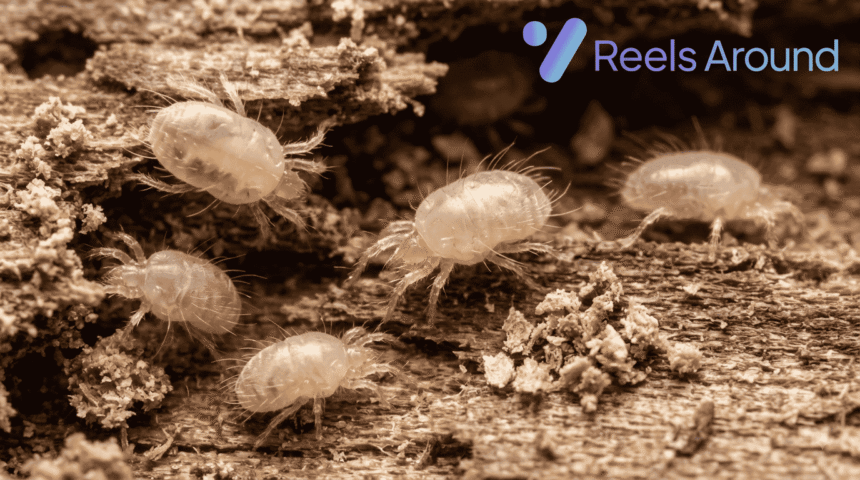
People often expect wood mites to destroy timber, yet these arachnids belong to Acari, sharing ancestry with ticks and spiders. Their oval body, eight legs, and soft-bodied structure distinguish them from common household insects entirely.
Most microscopic specimens measure less than 1 mm, appearing white, cream, translucent, pale brown, or reddish-brown. They prefer humid environments, feeding upon fungi, mold, mildew, algae, spores, and pollen instead of timber.
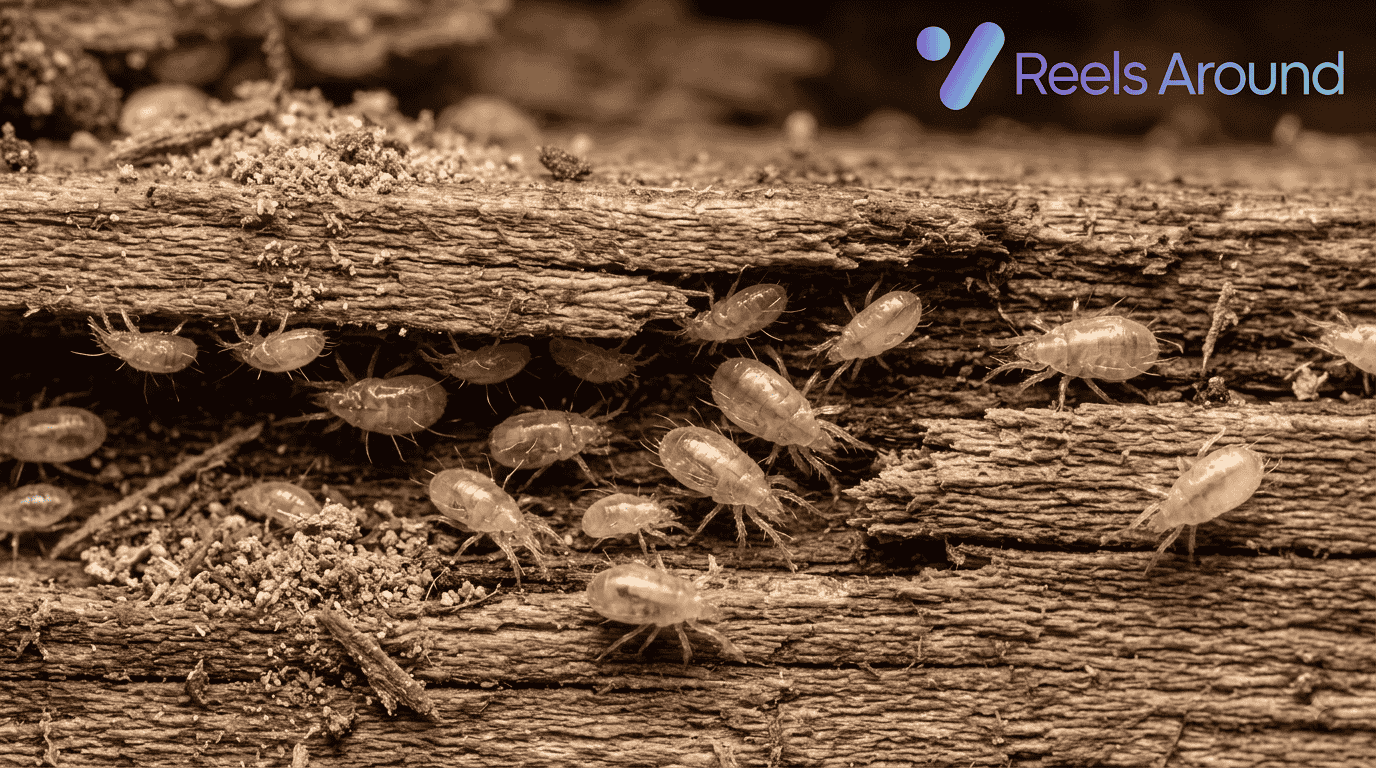
Their preferred habitats include damp wood, rotting logs, tree bark, mulch, compost piles, leaf litter, wooden decks, wooden furniture, and firewood. These locations continuously produce organic matter, decaying organic matter, and valuable microorganisms supporting natural populations.
Healthy outdoor populations contribute to decomposition, nutrient recycling, and the surrounding ecosystem. Indoors, however, household pests emerge after Christmas trees, lumber, cardboard boxes, or wood materials introduce colonies into moisture-prone living spaces unexpectedly.
Unlike termites, carpenter ants, or other wood-destroying insects, wood mites rarely cause structural damage. Instead, mold growth, high humidity, moisture problems, fungal growth, and persistent damp organic environments reveal environmental imbalance demanding correction.
What Do Wood Mites Look Like?
Identifying wood mites requires patience because these tiny, microscopic creatures remain barely visible to the naked eye. Careful close inspection or magnification usually reveals their distinctive appearance before populations become obvious indoors.
Each specimen normally has an oval-shaped body, eight legs, and a soft body. Depending upon the species and development stage, coloration ranges through white, cream, translucent, tan, pale tan, brown, and reddish-brown shades.
Most homeowners first notice moving specks, tiny dots, or slow crawling activity across damp wood, wooden furniture, firewood, decks, and other humid surfaces. Larger clusters often indicate favorable moisture conditions supporting continued reproduction.
Misidentification happens frequently because wood mites resemble dust particles, dust mites, mold mites, booklice, ticks, tiny ticks, and other household mites. Accurate identification prevents unnecessary concern about serious structural pest infestations developing.
During inspections, I compare body shape, coloration, and movement across wood surfaces, moisture-rich areas, visible mites, damp materials, and humid areas. Proper recognition separates harmless Acari from wood-destroying pests like termites and carpenter ants.
Where Do They Come From?
Many assume wood mites originate indoors, yet their natural outdoor environments include rotting logs, fallen trees, tree bark, damp wood, decaying organic matter, and abundant fungi supported by constant moisture and seasonal changes.
I regularly encounter thriving populations around compost piles, leaf litter, mulch, garden soil, firewood piles, wooden fences, and wooden decks. These habitats continuously supply food sources, encouraging sustainable colonies without affecting healthy timber directly.
Indoor introductions commonly occur through firewood, Christmas trees, wooden furniture, lumber, untreated wood, wooden pallets, wooden decorations, cardboard boxes, potted plants, and transported wood products carrying hidden populations unnoticed into homes.
After entry, colonies spread through carpets, upholstered furniture, wooden flooring, wall voids, cracks, crevices, damp basements, and crawl spaces whenever excessive humidity, condensation, water leaks, or persistent moisture problems remain unresolved.
Experience shows these microorganisms flourish wherever mold growth, mildew, humid conditions, damp environments, environmental conditions, and neglected damp storage exist. Eliminating every moisture source interrupts indoor spread, improving long-term household invasion prevention without excessive chemical intervention.https://reelsaround.co.uk/how-to-remodel-lighting/
What Causes Wood Mites?
Most persistent wood mites problems begin long before insects become noticeable. I usually trace infestations to excess moisture, high humidity, and neglected moisture-related conditions, which quietly encourage mold, mildew, fungi, and microorganisms indoors.
Hidden water leaks, plumbing leaks, roof leaks, water intrusion, condensation, and poor ventilation create ideal conditions for mold growth, fungal growth, and continuous microbial growth. These overlooked issues often sustain infestations far longer than expected.
During inspections, I frequently discover water-damaged wood, wet wood, untreated wood, damp wood, rotting wood, mold-contaminated wood, and accumulated decaying organic matter supporting reliable food source availability for developing mite populations throughout affected properties.
Transported materials also contribute significantly. Firewood, Christmas trees, wooden furniture, lumber, wood products, mulch, compost, and nearby organic debris introduce colonies before favorable household moisture and indoor humidity allow continued establishment successfully.
Successful prevention depends upon correcting moisture buildup, improving poor home maintenance, monitoring humid areas, reducing damp conditions, protecting wood surfaces, minimizing structural moisture, and understanding how environmental conditions influence recurring infestation causes and wood ecology.
Why Moisture Matters
From experience, moisture determines whether wood mites survive. Without humidity, thriving mold, mildew, fungi, algae, spores, and surrounding microorganisms, colonies gradually decline because their dependable food source disappears naturally over time.
Even minor moisture problems trigger noticeable changes. Persistent damp conditions, increasing indoor humidity, and expanding mold growth encourage continuous fungal growth and active microbial growth, accelerating population growth despite otherwise clean-looking wooden environments inside homes.
I often explain that wood surfaces, damp wood, and nearby organic matter simply provide locations where moisture-dependent organisms flourish. They do not become food themselves, despite widespread misunderstanding among homeowners confronting unexpected infestations recently.
Long-term moisture control interrupts favorable environmental conditions, reducing the ability of colonies to survive. This practical strategy limits every infestation without depending entirely upon chemical applications or repeated professional treatments after every seasonal humidity increase.
Observing changing indoor environments taught me that balancing ecosystem conditions inside buildings begins by controlling moisture first. Once microbial resources disappear, the entire biological chain supporting wood mite activity gradually weakens without unnecessary intervention afterward.
Important Note
A visible wood mites infestation usually reflects an underlying moisture problem instead of structural failure. Addressing the hidden mold problem, improving ventilation, and locating every moisture source consistently produces longer-lasting results than surface treatments alone.
Ignoring humidity, dampness, or concealed leaks often allows mold growth and fungi to recover quickly. Temporary spraying may reduce activity briefly, yet a recurring infestation commonly follows when environmental conditions remain unchanged afterward.
Professional inspections focus on environmental conditions, moisture control, and complete eliminate moisture strategies rather than immediate pesticide use. This balanced approach minimizes unnecessary exposure while supporting sustainable management inside residential properties over extended periods effectively.
I always examine household pests alongside evidence of indoor infestation, checking prevention opportunities before recommending additional measures. Correcting moisture-related issues generally produces more reliable improvements than repeatedly treating visible mites across affected rooms.
Recognizing wood mites as moisture indicators changes the entire management strategy. Solving hidden dampness first interrupts biological support systems naturally, making long-term control more practical while reducing future infestations without depending exclusively upon chemical solutions.
Signs Of Infestation
My earliest clue is rarely the wood mites themselves. Instead, scattered tiny moving specks and growing clusters appear across wooden surfaces, quietly revealing developing activity before homeowners recognize an active infestation inside damp locations nearby.
Close observation often reveals white mites, cream mites, tan mites, or brown mites showing steady crawling mites movement across firewood, whttps://reelsaround.co.uk/how-to-remodel-lighting/ooden furniture, decks, wood surfaces, and surrounding damp materials after humid weather persists.
Environmental evidence usually appears first. Expanding mold, mildew, mold growth, rotting wood, damp wood, water-damaged wood, and increasing humidity frequently accompany colonies, indicating an underlying moisture indicator instead of destructive wood-feeding pest activity entirely.
I routinely inspect basements, crawl spaces, humid rooms, and nearby carpets after discovering water leaks, condensation, moisture buildup, or persistent moisture problems. These locations consistently support favorable environmental conditions for expanding mite populations indoors naturally.
Additional clues include activity around Christmas trees, visible household pests, lingering fungal growth, contaminated organic matter, noticeable mold contamination, and gradual infestation detection. Recognizing every wood ecology change simplifies early intervention before colonies expand significantly further.
What You Won’t See
Unlike termites or carpenter ants, wood mites never create bore holes, excavate tunnels, or consume structural timber. Their behavior differs completely from insects traditionally associated with severe residential wood deterioration and hidden infestations.
During inspections, I never expect sawdust, frass, mud tubes, hollow wood, or obvious wood destruction surrounding these arachnids. Missing evidence often becomes the strongest indicator that another pest is not responsible for observed activity.
Experienced inspectors compare wood-destroying pests, boring insects, and galleries before confirming an infestation. Accurate pest identification prevents unnecessary treatments while directing attention toward moisture correction instead of structural repair or replacement work immediately afterward.
Another overlooked distinction involves structural damage. Healthy beams usually remain intact despite active mite populations because these organisms consume fungal resources rather than wooden fibers, preserving overall strength while still signaling excessive indoor moisture conditions.
Understanding these differences changes inspection priorities dramatically. Eliminating moisture becomes more valuable than replacing wood unnecessarily, allowing homeowners to resolve underlying environmental issues before considering expensive restoration or repeated chemical applications throughout affected interior spaces.