

A well-planned backyard pool can transform limited space without making the property feel crowded. The strongest designs prioritize functionality, relaxation, and visual balance, creating an outdoor retreat that feels intentional rather than simply smaller.
For small backyard pools, proportions matter more than decoration. A carefully measured pool footprint, sensible pool depth, and suitable pool shape can preserve seating, circulation, and outdoor living while maintaining strong visual appeal.
In compact properties, I have found that efficient space planning often produces better results than chasing oversized features. Built-in seating, thoughtful lighting, and restrained landscaping can make a modest installation feel surprisingly luxurious.
Whether you choose a plunge pool, mini inground pool, cocktail pool, or above-ground pool, the right decision depends on lifestyle, budget, maintenance, and available dimensions. Small does not automatically mean limited or ordinary.
What Are Little Backyard Pools?
A compact pool works especially well where small outdoor space makes conventional designs impractical. Rather than filling the entire small yard, homeowners can combine swimming with outdoor seating, landscaping, and circulation for better everyday use.
Modern pool design increasingly treats restricted dimensions as an opportunity. A corner pool, geometric arrangement, or courtyard pool can use overlooked areas while preserving the home’s architectural character and improving overall property aesthetics.
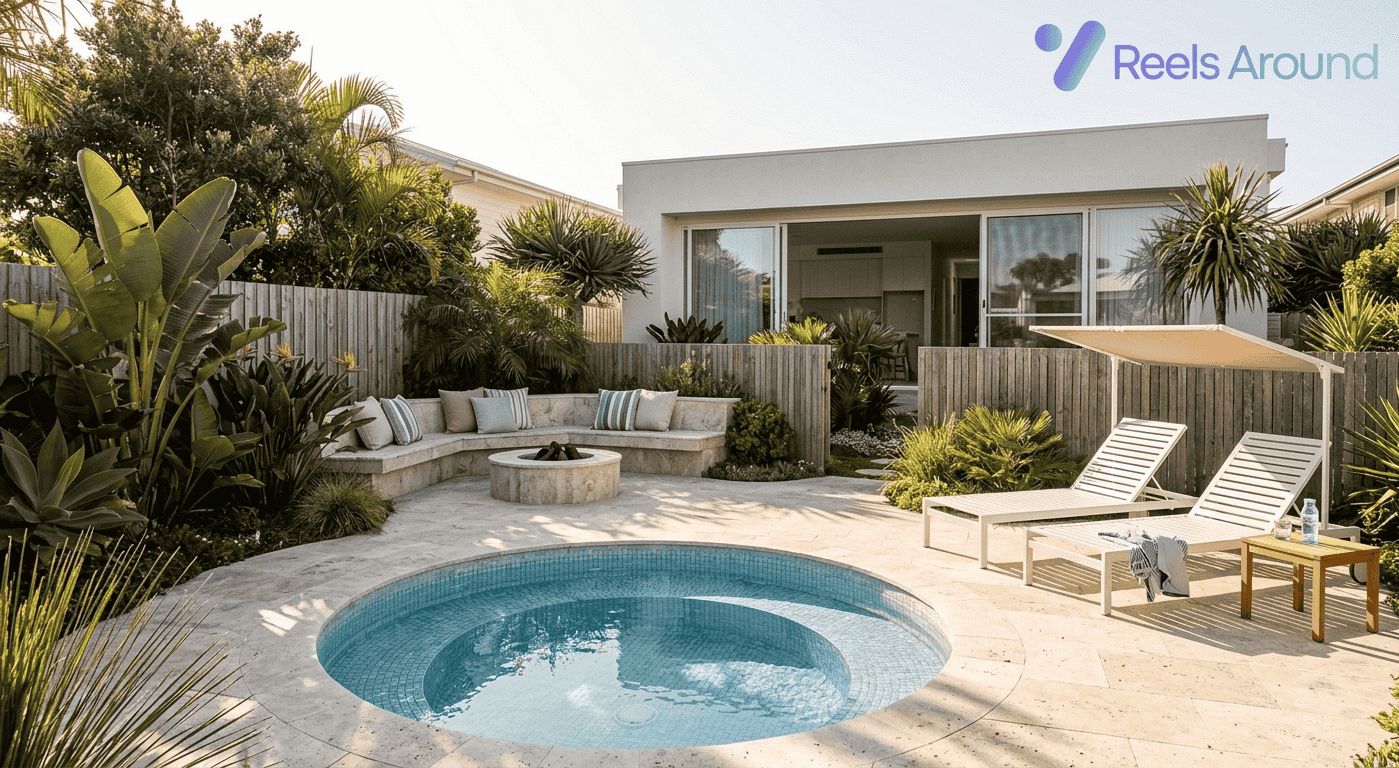
For families seeking cooling off, swimming, or quiet relaxation, a smaller pool can provide enough water without excessive water consumption. Reduced volume may also shorten heating times and simplify routine cleaning.
Costs deserve equal attention. Smaller installations can reduce installation costs, maintenance costs, and long-term water demand, while features such as solar heating, energy-efficient pumps, and pool covers can further improve efficiency.
Why Small Backyard Pools Are Becoming So Popular
The popularity of small backyard pool designs reflects changing homes and lifestyles. With smaller homes and tighter small outdoor spaces, homeowners increasingly want outdoor living without sacrificing the practical areas their properties already provide.
A refreshing dip or moment of relaxation can be easier to achieve with a deliberately compact installation. Smaller pools generally require less maintenance, making them attractive when busy schedules leave little time for complicated upkeep.
Social media has also changed expectations. Pinterest, Instagram, and other platforms regularly showcase creative compact design, encouraging homeowners to see a smaller footprint as a design challenge rather than an unavoidable compromise.
From an investment perspective, the appeal is straightforward: affordable, space-efficient pools can support entertainment, family gatherings, and cooling while complementing modern living. The goal is not maximum size, but maximum usefulness from available space.
What Is Considered a Small Inground Pool?
There is no universal measurement that defines every small inground pool. Compared with an average swimming pool, a compact installation occupies considerably less square feet, often fitting comfortably into constrained residential properties.
A pool around 600 ft 2 can already feel substantial in a compact setting. For comparison, that footprint may resemble the usable area associated with a studio apartment or approximately a two-car garage.
What matters more than labels is how the pool area interacts with the rest of the backyard. Shapes, sizes, depths, access routes, and seating can dramatically change what feels small or spacious.
Because residential properties vary widely, there are many pool possibilities below conventional dimensions. A thoughtful layout can provide exercise, cooling, or relaxation without requiring the footprint associated with a traditional family pool.
Typical Dimensions of Small Inground Pools
Common small inground pool dimensions include approximately 10 ’x 16’ or 10’ x 20’, although actual dimensions depend on property boundaries, intended activities, construction requirements, and available budget.
When planning pool size, remember that capacity influences comfort. Around 15 square feet of water surface per person is sometimes used as a rough consideration for simultaneous users, though actual usability varies.
A compact pool does not need excessive pool depth unless diving or specialized activities are planned. For general swimming and relaxation, approximately 4-5 feet can provide useful depth while keeping water volume manageable.
Some homeowners prefer shallower zones of roughly three feet for lounging. Combining different depths can make limited dimensions more versatile, allowing relaxation and swimming without expanding the overall footprint unnecessarily.
Mini Inground Pools vs Above-Ground Pools
When comparing mini inground pools with above-ground pools, the biggest differences usually involve appearance, permanence, installation, and budget. An inground option generally creates a more sleek, integrated appearance, while above-ground designs can install faster.
The upfront cost of an above-ground option may appeal to homeowners prioritizing affordability. However, installation quality, durability, customization, and long-term maintenance still matter when comparing the true value of each approach.
A permanent inground structure can deliver a more polished look and potentially stronger home value, particularly when carefully matched with landscaping and architecture. Yet it usually requires more construction and preparation.
For small yards, available space required should guide the decision. Above-ground pools need suitable flat space, while inground pools offer greater customization. Consider lifestyle, resale expectations, installation time, and long-term value before choosing.
Small Backyard Pool Ideas and Designs
The best small backyard pool ideas begin with the available footprint rather than a predetermined shape. A plunge pool, lap pool, or geometric pool can each solve different space and lifestyle requirements.
For softer landscapes, a freeform pool or lagoon-style pool can integrate naturally with planting. In contrast, a modern pool, minimalist pool, or corner pool can emphasize architecture and preserve circulation.
Other options include above-ground pool, semi-inground pool, courtyard pool, cocktail pool, spool, and swim spa configurations. Features such as water features, a sun shelf, or tanning ledge can add usefulness.
Where appropriate, a beach entry, sunken pool, or natural swimming pool can create a distinctive experience. The surrounding pool landscaping, lighting, and decking should support the pool rather than compete with it.
Plunge Pools
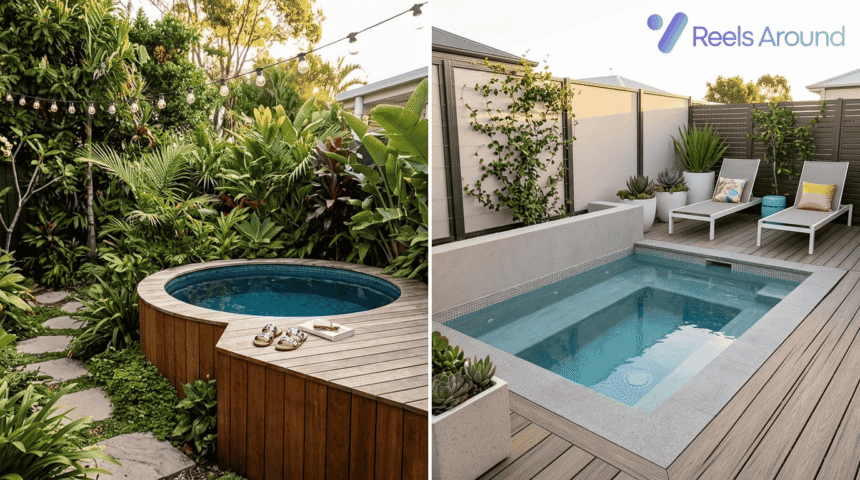
Plunge pools are particularly effective where limited spaces demand a shallow footprint but homeowners still want an elegant water feature. Their compact proportions can provide cooling off, relaxation, and a distinctly luxurious atmosphere.
Because the water volume is smaller, faster water heating can be a practical advantage. In Australian summers, especially around the Sunshine Coast, this can make a compact pool comfortable without requiring excessive energy.
A plunge design can also create a strong visual centerpiece. Timber decking, tropical landscaping, and outdoor seating can turn the surrounding area into a premium entertainment space without requiring a large yard.
Depth remains important. A pool around four feet may support relaxation and some aquatic exercise, while shallower configurations emphasize sitting, cooling, and unwinding. Less water can also simplify heating and maintenance.
Why Homeowners Love Plunge Pools
Homeowners often choose plunge pools because they provide minimal space requirements without abandoning an elegant appearance. Their compact design suits restricted backyards where conventional swimming pools would consume too much usable area.
The combination of lower installation costs and faster water heating can make these pools practical as well as attractive. They offer a focused place for relaxation and cooling without demanding extensive maintenance.
In hot climates, the appeal becomes especially obvious. During Australian summers, a compact pool can provide refreshing relief while controlling water usage, making it easier to balance luxury with responsible ownership.
For properties with limited space, the smaller scale can actually improve the backyard. Instead of dominating everything, the pool can become one element within a coordinated outdoor environment supporting relaxation, seating, and landscaping.
Example Design
Imagine a narrow backyard containing a rectangular plunge pool positioned along one side. Natural stone around the edge establishes texture, while soft lighting prevents the compact area from feeling visually compressed.
Vertical greenery can draw attention upward instead of consuming valuable floor area. Carefully selected plants create a layered landscape that gives the installation the character of a boutique resort.
The result does not require elaborate construction. A compact area can gain a sense of luxury through proportion, material consistency, and restrained landscaping rather than through excessive decorative features.
With comfortable seating nearby, the pool becomes an outdoor retreat rather than merely a place to swim. This approach preserves movement space while making the entire narrow backyard feel purposeful and inviting.
Lap Pools for Narrow Backyards
Lap pools suit narrow backyards because their elongated form prioritizes movement without demanding excessive width. In compact urban properties, a long pool can provide meaningful fitness and exercise while maintaining a refined appearance and comfortable proportions.
A narrow pool can reinforce modern appearance through simple proportions and uninterrupted edges. In my experience, minimalist appearance works particularly well when surrounding design uses efficient space planning and restrained materials overall.
Side yards are often overlooked, yet they can become valuable swimming zones. Sunshine Coast homes with narrow spaces can use architectural lines to create contemporary outdoor aesthetics without making the backyard feel crowded and surrounding planting.
For regular swimming, prioritize usable length over unnecessary width. A sleek configuration can combine exercise with relaxation while preserving circulation, planting, and seating, proving that limited dimensions do not automatically limit functionality every day with ease.
Geometric Pools
Geometric pools bring a defined shape to compact properties, making square pool and rectangular pool configurations especially useful. Their predictable boundaries simplify planning around architecture, paving, furniture, and existing backyard structures and circulation needs.
A circular pool can soften rigid architecture, while custom forms may respond to unusual property boundaries. In a small backyard, geometry should follow the available size rather than force the landscape into symmetry within the available footprint.
Unused corners and wasted space can sometimes support a custom shape. Hexagonal, trapezoidal, or irregular arrangements can create a distinctive pool while respecting existing landscaping, access routes, and the property’s architectural style while retaining visual balance.
Durable construction matters because a well-executed custom pool can serve for decades. Concrete allows considerable flexibility, letting homeowners balance custom geometry, landscaping, and a bold visual identity without sacrificing practical circulation for long-term residential use.
Freeform And Lagoon-Style Pools
Freeform pools work differently from rigid layouts because their curves can respond naturally to existing landscaping. Instead of forcing a rectangle into every corner, flowing shapes can soften transitions between water, planting, decking, and lounging areas.
A lagoon-style pool can create the impression of a more expansive environment, particularly beside tropical planting. Curved edges, fountains, benches, and tanning ledges can make awkward spaces feel deliberately designed rather than compromised.
In a wooded backyard, naturalistic landscaping can strengthen the effect. A mini inground pool with curved edges may sit comfortably beside patio furniture when the surrounding deck space follows the pool’s irregular shape.
The practical advantage is flexibility. Freeform excavation can accommodate an irregular layout while supporting swimming and relaxation. With thoughtful proportions, the finished pool can produce a tropical atmosphere without requiring an expansive property.
Modern And Minimalist Pools
Modern pools generally benefit from clean geometric lines, restrained materials, and strong proportions. Minimalist pools can make compact properties appear more orderly by reducing visual noise around the water and simplifying surrounding landscaping.
Neutral color palettes, frameless glass fencing, and simple landscaping help preserve openness. Integrated lighting can further strengthen sophistication, particularly where the pool sits close to a contemporary home or compact courtyard.
For Sunshine Coast properties, a narrow rectangle can complement architecture while keeping the design practical. LED lighting, selected water features, and carefully positioned greenery can introduce interest without undermining simplicity.
The strongest result usually comes from restraint. Neutral tiles, stone decking, symmetry, and greenery can support modern design while maintaining visual continuity between the small backyard pool and the broader contemporary home design.
Corner Pool Designs
Corner pools are useful when backyard corners become underutilized spaces. Instead of leaving an awkward area unused, homeowners can create an efficient swimming zone while preserving the center of the yard for movement and outdoor activities.
This arrangement can improve efficient space utilization because the pool occupies an edge rather than competing with central seating. Built-in benches or integrated spa seating can further combine relaxation with practical use.
In irregular-shaped yards, an awkward corner may actually offer the clearest location. The pool can follow an existing natural boundary, creating a functional yard while leaving open space elsewhere for gardens and circulation.
A well-positioned corner installation can also improve visual balance. Rather than dominating the property, a compact pool becomes one element within the landscape, giving the backyard a polished appearance without sacrificing usable space.
Above-Ground And Semi-Inground Pools
Above-ground pools can be substantially upgraded with premium finishes, timber cladding, composite decking, and glass fencing. These additions can help affordable pool ideas feel more integrated within sophisticated outdoor spaces.
Semi-inground pools offer another compromise, particularly where terrain makes full excavation undesirable. Partial excavation can reduce the visual height while allowing homeowners to work with existing ground levels and a compact yard.
A polished appearance does not always require a fully in-ground pool. Strategic landscaping, built-in seating, and outdoor lighting can visually connect the structure to the backyard while keeping the overall project aligned with budget.
The main consideration is site condition. Terrain, drainage, access, and available budget influence whether an above-ground or semi-inground solution works best, especially when the goal is an attractive pool without excessive installation cost.
Courtyard Pools
Courtyard pools can turn internal courtyards or compact central outdoor areas into distinctive focal points. Their enclosed setting naturally supports privacy while allowing water to contribute movement, cooling, and visual sophistication within limited dimensions.
In properties with glass doors, water reflection can strengthen natural light and improve indoor-outdoor flow. A compact pool positioned beside stone walls and pavers can make the surrounding architecture feel intentionally connected.
A Mediterranean atmosphere can emerge through restrained materials, potted plants, and warm stone. The enclosed space provides a useful framework for designing a private retreat without requiring the dimensions of a conventional backyard.
Courtyard layouts are especially effective where outdoor space is fragmented. A compact pool can anchor an outdoor corridor, while landscaping and seating establish privacy and visual continuity between the courtyard and adjacent rooms.
Small Pools With Water Features
Small pools can gain considerable character through carefully scaled water features. Waterfalls, deck jets, and wall fountains introduce movement without requiring additional floor space, making them practical for compact backyard settings.
Spillover edges, rain curtains, and bubblers create different sensory effects. In a restricted footprint, these features can provide the soothing sound of moving water while adding visual elegance without overwhelming the pool design.
A cascade waterfall can connect the pool with surrounding landscaping, while a fountain can establish a focal point. The key is proportion: oversized features may consume attention and make a compact pool feel smaller.
For relaxation, falling water can create a resort-style atmosphere without requiring a large swimming area. Thoughtful water movement adds personality, while the compact footprint remains efficient enough for everyday maintenance and practical backyard use.
Infinity Edge Pools
Infinity pools are often associated with large luxury estates, but a carefully positioned infinity edge can work surprisingly well beside a compact property. The effect depends more on elevation and sightlines than sheer pool size.
A vanishing edge can visually extend a small pool toward distant scenery. On elevated properties, the overflow edge may frame a natural landscape and create a larger-space illusion without increasing the actual water footprint.
This approach works best where the backyard already has a meaningful outlook. Natural scenery, open horizons, and a suitable elevated position can support the dramatic appearance associated with luxury aesthetics while maintaining compact dimensions.
Construction complexity deserves attention, however. Infinity systems require careful engineering for the overflow edge and water management. The visual expansion can be impressive, but the feature should suit the property rather than exist simply for appearance.
Cocktail Pools / Spools
Cocktail pools and spools occupy a useful middle ground between a conventional swimming pool and a dedicated relaxation space. Their compact footprint suits a small backyard where cooling and social use matter more than extensive swimming.
A rectangular, relatively shallow design can provide comfortable cooling off during hot summer days. A couple or small family may find enough room for floating, standing, sitting, and casual conversation.
These pools can become a social hangout without requiring a large entertainment area. Seating around the water allows drinks and conversation, while the pool itself provides a refreshing place to relax during warmer weather.
Lower water volume can simplify heating and reduce ongoing maintenance compared with larger installations. For homeowners balancing budget, lifestyle, and available space, a spool can deliver practical enjoyment without excessive infrastructure.
Pool And Spa Combinations / Swim Spas
Pool and spa combinations can make a compact backyard significantly more versatile. A swim spa may provide swimming, while an attached or integrated spa offers hydrotherapy and relaxation without requiring separate large installations.
Year-round usability becomes possible when heating is included. Powerful jets, bench seating, and controlled temperatures can transform part of the installation into a comfortable retreat after exercise or during cooler periods.
Depending on the design, sections may remain heated or unheated. This allows homeowners to separate relaxation from swimming while maintaining efficient space use within a restricted backyard.
A compact filtration system must match the combined water volume and intended use. When planned correctly, the arrangement can support stress relief, swimming, a summertime dip, and hot-tub style relaxation without consuming excessive space.
Small Pools With Tanning Ledges, Sun Shelves, Or Beach Entry
A tanning ledge, sun shelf, or beach entry can make a compact pool more versatile without expanding its overall boundaries. A shallow ledge creates space for lounging, sunbathing, or simply sitting in cool water.
For families, these areas can provide useful zones for children and supervised pets. They may also improve accessibility for people with disabilities, depending on the design, slope, handholds, and local requirements.
A gradual slope can create a resort-style transition from dry deck to swimming area. Instead of treating shallow water as wasted space, the design turns the pool floor into a functional lounging and family-friendly zone.
The main limitation is reduced deep-water area. In a compact pool, every section competes for space, so homeowners should decide whether relaxation, accessibility, swimming, or a natural shoreline experience deserves priority.
Sunken Pools And Sunken Lounge Areas
Sunken pools can introduce a strong tiered effect by placing water below ground or partially below ground. This approach can create additional visual dimension without requiring a larger horizontal footprint.
A sunken lounge beside the pool can provide seating, privacy, and a distinct entertainment zone. Bars, benches, and sun shelves can be incorporated into the lower level when the landscape allows appropriate construction.
This arrangement can be particularly effective in sloped properties because elevation changes become part of the design. Rather than fighting the terrain, the pool and lounge areas can integrate naturally with the existing landscape.
The result can feel luxurious even within compact space. Careful retaining structures, drainage, access, and enclosure details remain important, but the finished composition can create a distinctive backyard with multiple functional levels.
Smart Landscaping Around Small Pools
Smart landscaping is often what makes small pools feel integrated rather than inserted into a restricted yard. Vertical gardens and vertical greenery preserve valuable floor space while adding height, privacy, and texture.
Slimline plants, bamboo, ornamental grasses, and palms can create tropical aesthetics without demanding bulky planting beds. Where the climate suits them, these choices can provide lush greenery while maintaining useful circulation around the pool.
Built-in seating can replace bulky furniture, leaving more room for movement. Natural stone, planter panels, and a trellis system can add texture while strengthening the visual relationship between water and landscape.
For compact properties, privacy often matters as much as planting. A fence, cascading greenery, or courtyard-style enclosure can establish a secluded atmosphere while maintaining low maintenance requirements and preserving limited floor space.
Wooden Deck Around A Small Pool
A wooden deck can create a warm transition between a small pool and the surrounding backyard. Timber introduces natural texture and can soften the harder appearance of concrete, stone, or pool edging.
For exposed areas, weather-resistant timber is important. Teak offers a premium natural option, while composite wood can provide durability with less routine upkeep and consistent appearance around active outdoor areas.
The deck must also handle outdoor foot traffic safely. Good construction, suitable drainage, and appropriate spacing help the surface remain functional around wet areas while maintaining longevity through changing weather conditions.
Warm tones can contrast attractively with blue water. When the pool edge, decking, and landscaping share complementary materials, the transition feels inviting rather than fragmented, creating a cohesive pool surroundings that supports everyday outdoor living.
Pergola Shade Structure
A pergola can turn a poolside area into a practical shade structure, particularly where hot afternoons make direct sun uncomfortable. Positioned carefully, it can provide relief without making the compact pool feel enclosed.
Climbing plants can soften the framework, while string lights extend usability into the evening. Flowing curtains can provide additional privacy and create a relaxed atmosphere around the pool and adjacent outdoor living zone.
In a compact backyard, placement matters. The structure should shade useful seating rather than cast unnecessary darkness across the entire pool, especially when homeowners want both sun exposure and sheltered relaxation.
Combined with landscaping, a pergola can define an outdoor retreat without demanding much additional floor area. It becomes a useful architectural element that organizes seating, shade, and social activity around the compact pool.
Floating Stepping Stones
Floating stepping stones can add a strong architectural element without consuming much compact space. Flat stones placed across the water surface create a visual effect that connects different areas while maintaining a clean, contemporary appearance.
When positioned carefully, the stones can form a garden pathway through or beside the pool. They may also guide outdoor foot traffic, helping people move between seating, landscaping, and other backyard areas.
The arrangement should prioritize safety and practicality. Stable stones with appropriate spacing can create controlled movement, while their alignment can reinforce the pool’s geometry and surrounding landscape design.
In a restricted backyard, this approach adds visual interest without introducing bulky structures. The stones become part of the landscaping, combining function with a distinctive design detail that makes the pool area feel more intentional.
Mosaic Tile Artwork
Mosaic tile artwork can turn otherwise overlooked pool walls or a pool floor into a visual focal point. A carefully designed waterline border can introduce personality without requiring additional structures or floor space.
A professional tile artist can create a custom pattern suited to the pool’s proportions. Geometric patterns, abstract arrangements, and nature-inspired designs each produce different visual effects within compact swimming spaces.
Because the artwork remains integrated with the pool, it does not compete with surrounding furniture. Instead, the swimming space itself becomes part of the decorative composition, especially when the design uses restrained colors and suitable materials.
For a personalized pool, even a small section of artwork can make a significant difference. In a compact backyard, this approach provides character without consuming usable outdoor space or complicating circulation.
Pool Integrated Into Modern Patio Design
A modern patio can be planned around the pool instead of being treated as a separate surface. Using a shared design language helps connect the water, paving, seating, and architecture.
Matching materials and a coordinated color palette can establish visual continuity. Stone, clean lines, and restrained finishes prevent unnecessary visual clutter, which is particularly important within a compact backyard.
A seamless design can make the outdoor space appear more organized and potentially larger. When boundaries between patio and pool deck are visually minimized, the entire area reads as one connected environment.
The goal is not to make every element identical. Instead, sophisticated design comes from coordinating textures, colors, and proportions so the pool contributes naturally to the patio rather than appearing like an isolated installation.
Zen-Inspired Pool
A Zen pool emphasizes calm, balance, and simplicity rather than excessive decoration. Smooth river stones, restrained planting, and clean edges can establish a quiet environment even when the available backyard is compact.
Raked gravel and bamboo can introduce texture without overwhelming the water. Minimal planting keeps maintenance manageable while reinforcing the uncluttered character associated with a meditative outdoor environment.
Neutral tones work particularly well because they reduce visual distraction. The pool becomes a quiet center surrounded by carefully selected materials, helping the space feel peaceful without requiring extensive landscaping or elaborate decorative features.
For homeowners seeking an outdoor retreat, this approach can be especially effective. A compact pool surrounded by simple materials and restrained landscaping can create a peaceful backyard without sacrificing practical usability.
Indoor-Outdoor Pool Integration
Indoor-outdoor continuity can make a small backyard feel larger by strengthening the relationship between interior and exterior areas. A clear visual connection helps the pool become an extension of the home’s living environment.
Large sliding glass doors are particularly effective because they connect the indoor space and outdoor space while allowing natural light to move between them. The pool then becomes visible from inside rather than hidden beyond a boundary.
Matching flooring materials, outdoor flooring, and color palettes can reinforce the connection. Consistent design themes reduce visual interruptions and create stronger visual continuity across compact areas.
When the pool, home, and patio share compatible finishes, the property can feel more spacious. The goal is not simply physical expansion, but a coordinated design that makes every available area feel connected and purposeful.
Lighting Ideas For Small Pools
Pool lighting can dramatically change how a compact installation looks after sunset. Underwater LED lights illuminate the water itself, while garden uplighting can emphasize planting and architectural details around the pool.
Deck strip lighting can define walking areas without adding bulky fixtures. Floating lights provide another option, introducing gentle points of illumination across the water while preserving the pool’s visual openness.
For a more luxurious result, wall sconces can establish warmth around seating areas. Carefully distributed LED lighting can also highlight pool walls, landscaping, and surrounding structures without making the space appear overly bright.
Color-changing lights can create a vibrant display, although restraint often works better in compact spaces. At nighttime, glowing water and subtle illumination can create a strong atmosphere while maintaining visual space and architectural clarity.
Dark Interior / Black-Bottom Pool Designs
Dark pool interiors can create a dramatic appearance by using a black-bottom pool, charcoal finishes, or slate grey lining. These surfaces often produce stronger visual depth than pale interiors and can emphasize surrounding reflections.
The darker surface may contribute to a resort-style appearance, particularly when paired with minimalist decking and carefully placed greenery. The contrast between dark water and natural planting can create a sophisticated modern design.
Dark finishes can also affect heat absorption, potentially contributing to warmer water depending on conditions. That may influence energy requirements, so homeowners should consider local climate, exposure, and desired water temperature.
In a backyard pool, the surrounding materials become especially important. Restrained decking, greenery, and suitable lighting can prevent the dark interior from making the area feel heavy while preserving its distinctive luxury character.
Family-Friendly Small Pool Features
A family-friendly pool should prioritize usability and safety alongside appearance. Shallow lounging ledges can provide comfortable areas for supervised children, while built-in seating gives adults practical places to sit nearby.
Safety fencing remains essential where required, particularly around compact pools used by families. Slip-resistant decking can also reduce risks around wet walking surfaces and support everyday movement around the water.
Shade structures can improve comfort during extended outdoor use. Families may use compact pools for entertainment, relaxation, and cooling, so the surrounding environment should support multiple activities rather than swimming alone.
On the Sunshine Coast, where outdoor living can be important, thoughtful design can accommodate children, pets, and adults within limited dimensions. The best layouts balance safety, functionality, relaxation, and available backyard space.
Multi-Functional Backyard Spaces
A multi-purpose outdoor area can make a compact pool more valuable by combining swimming with other everyday activities. Outdoor kitchens, fire pits, and dining zones can support gatherings without requiring separate large areas.
Comfortable lounge seating and pergolas can establish an entertainment environment around the pool. Instead of dedicating the entire backyard to water, homeowners can create distinct zones for cooking, eating, relaxing, and entertaining.
This approach is particularly useful in compact space because each feature serves more than one purpose. A poolside seating area can become a dining zone, conversation space, or family gathering area depending on the occasion.
When planning outdoor living, think about circulation between activities. The pool should remain accessible without obstructing cooking or dining. A coordinated layout can support swimming, family time, guests, and year-round functionality within limited dimensions.
Sustainable And Eco-Friendly Pool Ideas
Sustainable pool design can reduce resource use without sacrificing comfort. An eco-friendly pool may combine solar heating systems, energy-efficient pumps, and pool covers to lower ongoing energy requirements and everyday operating costs.
Saltwater systems can provide an alternative approach to traditional chemical management, while water-saving filtration systems can reduce unnecessary water replacement. These choices support more environmentally responsible living without making compact pool ownership impractical.
A natural swimming pool uses biological filters, plants, and a regeneration zone to support water treatment. The swimming area remains distinct, allowing natural processes to contribute to water quality while reducing reliance on conventional chemicals.
Landscape planning matters too. Plants can contribute to environmental sustainability when selected appropriately for the site. Combined with efficient equipment and responsible water management, sustainable choices can make a small pool considerably more resource-conscious.
Creative Landscaping And Outdoor Design
Creative landscaping can make a compact pool feel complete rather than simply surrounded by leftover space. Coordinating outdoor design, decking, planting, and lighting helps establish a deliberate visual relationship around the water.
A pergola can provide shade, while stepping stones create movement through the landscape. Mosaic tile details can add personality, and a modern patio can unify the pool with nearby seating and architectural elements.
For a calmer setting, Zen design can use natural stone, restrained planting, and greenery. Alternatively, tropical plants can create a lush environment around the pool without requiring extensive structural additions to the compact backyard.
The strongest outdoor retreat usually balances luxury with functionality. Good design should support movement, seating, shade, privacy, and maintenance while ensuring the compact space remains comfortable and visually connected to the surrounding backyard.
Unique And Stylish Mini Pool Concepts
Unique pool concepts can turn a restricted backyard into a memorable feature without relying on excessive size. A stylish mini pool might use unusual geometry, a distinctive material, or an architectural edge.
A shipping container pool offers an unconventional industrial aesthetic, while a circular pool can become a sculptural focal point. Both options challenge the assumption that compact pools must follow conventional rectangular forms.
An acrylic edge can introduce transparency, while an elevated pool can exploit difficult terrain. Underwater stools, a swim-up lounge, or a multi-level pool can add function without dramatically increasing the footprint.
The best unusual designs still need practical foundations. Custom geometry, filtration, access, drainage, and construction quality should be considered alongside appearance so the finished pool remains usable rather than merely visually interesting.
Shipping Container Swimming Pool
A shipping container pool repurposes a steel container into a compact swimming structure. With a properly waterproof interior, filtration equipment, and suitable construction, the container can become an unconventional backyard pool.
Its industrial aesthetic appeals to homeowners seeking something different from traditional concrete or fiberglass. Steel construction also gives the concept a distinctive appearance that can become a strong conversation starter.
One attraction is potentially faster installation compared with certain conventional construction approaches. However, preparation, structural modifications, waterproofing, filtration, and site access still require careful planning before the pool can operate safely.
The finished installation can look surprisingly stylish when surrounded by appropriate decking and landscaping. For a compact pool, the repurposed container approach offers an unconventional solution that combines construction efficiency with distinctive visual character.
Small Circular Backyard Pool
A small circular pool creates a softer alternative to conventional rectangular designs. Its circular shape can become a sculptural focal point, particularly when positioned centrally within carefully planned landscaping.
Because standard rectangular dimensions do not apply, homeowners may require a custom mold or pre-formed shell. The choice depends on available space, construction method, budget, and the desired finished appearance.
Curved decking can follow the pool’s geometry, creating stronger visual continuity. In a modern backyard, this can produce a distinctive composition, while a traditional backyard may benefit from the softer shape.
Circular layouts work especially well where the pool needs to feel like a deliberate garden feature. In compact space, the rounded boundary can create visual interest without relying on complicated structures or excessive decorative elements.
Small Pool With Transparent Acrylic Edge
A transparent acrylic edge can transform a compact pool into a striking architectural feature. An acrylic panel integrated into the pool wall allows an underwater view while creating unusual visual transparency.
The exposed section can make the swimming space appear more open. Water becomes part of the architecture, giving the installation a high-end appearance similar to features found in contemporary hospitality environments.
This approach works particularly well with modern materials and clean surroundings. The transparent section can act as an architectural feature while helping a small backyard achieve an expansive appearance without physically increasing its dimensions.
Engineering and construction quality are crucial because the acrylic must be properly designed and installed. When executed correctly, the result combines water, structure, and modern aesthetic into a distinctive pool design.
Elevated Mini Pool With Deck View
An elevated mini pool can solve challenging sites where an above-ground level installation works better than extensive excavation. A reinforced platform can support the pool while creating an elevated position above the surrounding landscape.
This concept can be useful on sloped yards, where terrain already creates natural height differences. Instead of forcing a conventional in-ground installation, the pool can work with the existing site conditions.
A suitable deck structure can incorporate steps or a ladder, providing access while creating a dedicated viewing platform. The elevation may also produce visual drama, particularly where the backyard overlooks surrounding scenery.
The pool deck should remain structurally sound and carefully integrated with the landscape. When properly planned, elevation can provide a distinctive outdoor view while preserving a compact pool footprint and reducing unnecessary disruption to the existing terrain.
Small Pool With Built-In Underwater Stools
Underwater stools can add seating without consuming additional deck space. Built directly into the pool floor, concrete pedestals can create convenient places to sit while maintaining the clean appearance of a compact pool.
At bar height, stools can support a casual swim-up lounge. Smooth caps make the seating comfortable, while the surrounding water keeps the area connected to swimming rather than separating entertainment from the pool.
This arrangement is particularly useful when the backyard lacks room for conventional furniture. The seating occupies zero extra space outside the pool, allowing homeowners to combine function, personality, and social use within one footprint.
For entertaining, underwater seating can provide a practical gathering point. People can sit, talk, and enjoy the water without leaving the swimming area, making a compact installation more useful for everyday social occasions.
Multi-Level Small Backyard Pool Design
A multi-level pool can use existing elevation changes to create distinct zones within a compact property. Instead of treating uneven terrain as a problem, the design incorporates different heights into the swimming environment.
A shallow upper tier can provide a relaxed lounging area, while a deeper lower pool offers greater swimming depth. The transition between levels can also introduce visual depth without requiring a larger overall footprint.
A controlled spillover can create continuous water movement between sections. When combined with a dedicated water feature, this arrangement adds sound and visual interest while preserving the compact character of the backyard.
The surrounding landscaping should reinforce the levels rather than hide them. With careful planning, elevation, swimming, lounging, and planting can occupy separate zones while remaining visually connected within a small space.
Design Tips To Make A Small Pool Look Bigger
A small pool can appear considerably larger when its surroundings are designed to reduce visual interruptions. In a small backyard, continuous surfaces and carefully positioned features can create a convincing visual illusion.
Light-colored tiles, including pale blues, whites, and creams, can increase light reflection across the water. Reflective surfaces may make the pool appear brighter and contribute to an expansive appearance during daylight.
Continuous decking can visually connect the pool edge with the rest of the yard. Mirrors and glass features can also extend sightlines, while restrained landscaping prevents the compact space from feeling crowded.
At night, underwater lighting can create glowing water and reinforce visual depth. Whether using a mini inground pool or above-ground pool, smart design can make limited square footage feel substantially more generous.
Cost Of Building A Small Backyard Pool
The cost of a small backyard pool depends on the pool type, pool size, construction method, and selected features. An above-ground option may require less initial investment than a fully customized inground installation.
A semi-inground pool can occupy a middle position, while a mini inground pool or plunge pool may involve greater excavation and construction requirements. Unusual choices such as a shipping container pool also vary considerably.
Additional features influence the final budget. An infinity edge mini pool, natural filtration, complex landscaping, or specialized finishes can increase construction costs, while simpler designs may keep the project closer to the available budget.
Do not overlook ongoing expenses. Installation time, excavation, filtration, water use, and yearly maintenance cost all affect the long-term investment. Comparing construction requirements and operating demands gives a more realistic picture of affordability.
Common Small Backyard Pool Design Mistakes
An oversized pool is one of the easiest ways to undermine a compact property. Even attractive landscaping choices can become ineffective when too much usable space disappears beneath water and surrounding structures.
Poor lighting can make an otherwise attractive pool feel unfinished at night. Likewise, overcomplicated design may create unnecessary visual clutter, while bulky furniture can restrict movement and reduce the usable space around the installation.
Before construction, examine pool placement, circulation, privacy, and drainage. Local regulations and permits should also be considered early because changes after construction can create avoidable expense, delays, and frustration.
Maintenance deserves equal attention. Cleaning, repairs, chemicals, soil conditions, and slope can influence long-term usability. Careful planning keeps the compact yard functional while protecting the original budget and reducing construction complications.
Small Backyard Pool FAQs
A small backyard pool can take many forms, including a small inground pool, plunge pool, above-ground pool, or mini inground pool. The best choice depends on space, lifestyle, budget, and intended use.
Questions about pool cost, pool dimensions, and pool depth usually arise before construction. Homeowners should also consider maintenance, installation requirements, materials, chemicals, electricity, safety, and potential effects on home value.
Limited space does not prevent meaningful recreation. Compact pools can support relaxation, exercise, swimming, and cooling while still leaving room for family activities, seating, landscaping, and entertainment within the backyard.
Local requirements matter throughout the project. Permits, codes, construction methods, and appropriate materials should be reviewed before installation so the finished pool remains safe, functional, and suitable for the property’s available space.
What Type Of Pool Is Best For A Small Backyard?
For many homeowners, a plunge pool works particularly well when the small backyard has limited space. Its compact design can provide relaxation and cooling without consuming the entire outdoor area.
A smaller pool can also provide a modern appearance when paired with clean materials and restrained landscaping. The design should prioritize functionality, especially when homeowners want seating, circulation, or entertainment space nearby.
Maintenance should influence the choice as much as appearance. A compact installation generally uses less water than a larger one, but filtration, cleaning, and equipment still require regular attention throughout ownership.
Ultimately, the best option depends on individual priorities. If luxury matters, a plunge configuration may work well; if flexibility matters, other compact designs can better balance water use, function, maintenance, and available space.
How Small Can A Backyard Pool Be?
A compact pool can be designed around approximately 2m x 3m, although actual feasibility depends on local regulations, access requirements, construction methods, and the property’s existing boundaries.
Rather than relying only on dimensions, consider the design goals and intended use. A pool intended for relaxation needs differ from one planned for swimming, exercise, family use, or entertainment.
A small outdoor space must accommodate more than water. Equipment, circulation, fencing, drainage, access, and surrounding surfaces all consume room, so the usable pool dimensions should be established after considering these requirements.
Custom design can sometimes make unusual sites workable. The final installation depends on space requirements, property conditions, local rules, and construction feasibility rather than a single universal minimum measurement.
Are Plunge Pools Good For Limited Spaces?
Plunge pools are particularly suited to limited spaces because their compact proportions focus on relaxation and cooling rather than extensive swimming. They can fit within a small backyard while preserving surrounding outdoor areas.
Their practical value comes from combining functionality with manageable dimensions. A compact outdoor area can still provide water for cooling, seating, and relaxation without requiring the footprint associated with larger conventional pools.
Modern design can make the installation feel intentional rather than undersized. Clean edges, suitable landscaping, and thoughtful placement can turn restricted space into a comfortable backyard feature with strong visual appeal.
Maintenance remains part of the decision. Even a small pool needs appropriate filtration, cleaning, and water care, but its reduced volume can make everyday management more manageable for many homeowners.
What Are The Cheapest Small Backyard Pool Ideas?
Above-ground pools are often considered among the more accessible options for homeowners prioritizing affordability. Their construction can require less excavation, making them attractive where a small backyard and limited budget restrict alternatives.
Compact plunge pools can also provide a practical balance between appearance and function. Prefabricated fiberglass options may simplify installation compared with fully customized construction, depending on site conditions and chosen specifications.
A budget-friendly pool should still account for long-term expenses. Installation, maintenance, filtration, water treatment, and surrounding landscaping can influence the real cost beyond the initial purchase or construction price.
For homeowners with limited space, the most economical choice is usually the design that fits naturally into the site. Avoiding unnecessary excavation and complex features can protect affordability while still producing useful pool ideas.
Do Small Backyard Pools Increase Home Value?
Small backyard pools can contribute to property value when they are thoughtfully designed, properly maintained, and appropriate for the surrounding property. Their appeal depends heavily on location, buyer expectations, quality, and overall outdoor presentation.
A well-designed pool can improve home value by strengthening outdoor living and providing an attractive recreational feature. However, installation costs are not automatically recovered simply because a pool has been added.
On the Sunshine Coast, climate and lifestyle can influence how buyers perceive outdoor amenities. A compact pool may complement an outdoor appeal that suits local residential expectations without overwhelming the available property.
The strongest contribution comes from integration. A pool that fits the yard, supports outdoor living, and looks professionally finished may add more appeal than an oversized installation that consumes too much usable space.
What Is The Smallest Size For An Inground Pool?
An inground pool does not have one universal smallest size because concrete construction is highly customizable. A homeowner may pursue an ultra-small pool when site conditions, regulations, and intended use permit it.
The decision changes when a large family, children, pets, or pool parties are expected. A tiny pool may serve private relaxation and cooling but provide insufficient space for active group use.
A cocktail pool can be a practical alternative when the goal is socializing rather than full-scale swimming. It can provide private space for relaxation while remaining suitable for a compact backyard.
Depth and size should match the purpose. If the priority is cooling off on a hot summer day, less water may be sufficient; exercise and swimming require more carefully planned dimensions.
Is A Small Inground Pool Worth It?
A small inground pool can be worthwhile when the family lifestyle genuinely benefits from having water available at home. The decision becomes stronger when the backyard would otherwise remain underused or difficult to organize.
For homeowners who enjoy pool parties, entertainment, and spending time outdoors, even a compact installation can create meaningful value. Children, pets, friends, and family may use different areas according to their needs.
The pool should not eliminate every other outdoor function. Preserving some green space, seating, and circulation can make the backyard more versatile and prevent the installation from becoming the property’s only useful feature.
Ownership still requires maintenance, cleaning, and ongoing care. If swimming, relaxation, cooling off, and outdoor living are regular priorities, a compact pool may justify those responsibilities through frequent personal use.
How Much Does A Small Inground Pool Cost?
The cost of a small inground pool depends heavily on local conditions. Construction costs can change according to backyard topography, excavation requirements, selected building material, access, and the complexity of installation.
Concrete and fiberglass provide different construction approaches, while customization can alter the final budget. Pool features such as steps, ledges, lighting, filtration, and finishes may also increase project costs.
Landscaping should be included when estimating the complete investment. Excavation alone does not represent the finished project because surrounding decking, drainage, fencing, planting, and access may require additional work.
The most reliable budget comes from evaluating the actual site rather than relying on a generic price. Local conditions, materials, customization, and installation requirements can substantially change the final figure.
What Type Of Pool Is Best For A Small Yard?
For a small yard, an inground pool can provide strong flexibility because a concrete pool can be shaped around unusual boundaries. The right pool material depends on budget, construction conditions, and desired appearance.
A custom shape can make better use of small space than a standard rectangle, especially where the backyard contains an irregular-shaped space that would otherwise remain difficult to use.
The goal should be to maximize space rather than maximize water. Careful pool design can preserve circulation, seating, planting, and access while fitting useful swimming or relaxation space into the available dimensions.
Before finalizing the layout, measure boundaries, setbacks, equipment zones, and access. Appropriate dimensions should reflect the entire backyard rather than treating the pool as an isolated feature within the property.
Are Small Inground Pools Easier To Maintain?
Small inground pools can be easier to maintain than larger pools because their reduced surface area generally means less water to clean and manage. However, equipment quality and routine care remain important.
Regular vacuuming and brushing are still necessary, while water chemistry requires monitoring. Chemicals, filtration, and circulation should remain properly balanced to prevent avoidable repairs and keep the swimming environment comfortable.
Smaller dimensions may reduce some operating demands, but electricity and equipment continue to contribute to ongoing expenses. Environmental efficiency can improve when systems are appropriately sized rather than unnecessarily powerful for the pool.
For homeowners, the main advantage is manageable routine care. Pool cleaning, water testing, equipment checks, and occasional remodeling still require attention, but a compact backyard installation can make these tasks less demanding.
Can You Install A Slide Or Jump Board For A Small Inground Pool?
A small inground pool can sometimes accommodate a slide or jump board, but available pool depth is critical. Diving-related features may require approximately 8+ feet of water depth for safe operation.
Because compact pools often prioritize shallow dimensions, adding such equipment may conflict with the original pool design. A qualified design consultant should evaluate the available space, structure, clearances, and intended use.
Local codes and regulations may establish specific requirements for installation. Safety should be considered before purchasing equipment because insufficient depth or inadequate surrounding clearance can make the feature unsuitable for the backyard.
For most compact pools, simpler recreational features may be more practical. If a slide or jump board remains a priority, discuss safety, installation, regulations, and structural requirements with the appropriate professionals beforehand.
Choosing The Right Pool Builder
A capable pool builder should understand compact pool designs rather than simply shrinking conventional layouts. Experience with small spaces helps identify opportunities for efficient circulation, equipment placement, landscaping, and usable outdoor areas.
Good pool planning should account for local regulations, property conditions, access, drainage, and intended lifestyle. On the Sunshine Coast, familiarity with local requirements can help simplify the planning and approval process.
A professional designer can develop customized layouts and provide 3D visualizations before construction begins. This allows homeowners to assess proportions, functionality, aesthetics, and the potential of the available backyard.
Material quality matters as much as appearance. Look for builders who can combine high-quality materials, appropriate construction methods, and practical pool installation with the broader outdoor design, ensuring the finished project works as one cohesive environment.