

Introduction to Doujin
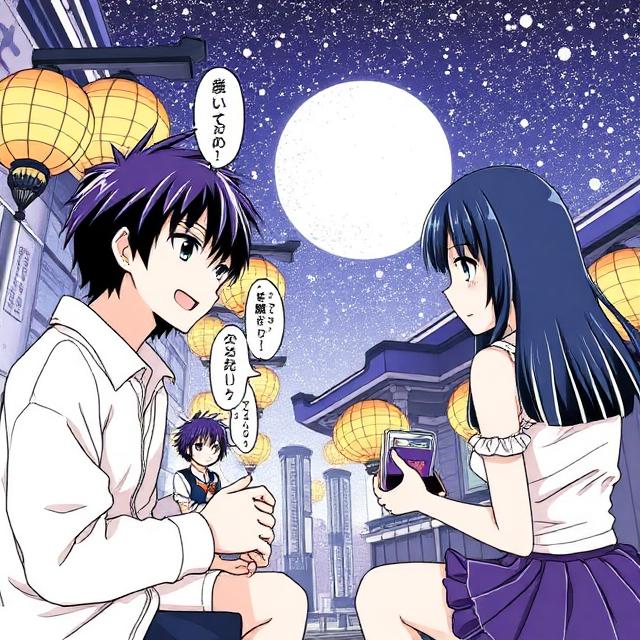
In a world where fan creativity knows no bounds, Doujin stands out as a vibrant and dynamic aspect of Japanese pop culture. But what exactly is Doujin? It’s more than just self-published works; it’s an entire subculture that embraces the passion of creators and fans alike. From manga and anime to games and novels, Doujin offers an immersive experience for anyone who loves storytelling in its many forms.
- Introduction to Doujin
- History and Evolution of Doujin Culture
- Types of Doujin Works: Manga, Anime, Games, and Novels
- The Role of Comiket in Doujin Culture
- Understanding the Community and Fanbase of Doujin
- Controversies and Challenges Faced by the Doujin Industry
- How to Get Involved in Doujin as a Creator or Fan
- Conclusion: Embracing the Diversity and Creat
As you dive into this fascinating realm, you’ll discover a rich history intertwined with Japan’s artistic evolution. Whether you’re curious about the latest trends or seeking ways to engage with fellow enthusiasts, understanding Doujin opens doors to creative expression like no other. So grab your favorite snacks and settle in—let’s explore the colorful universe of Doujin together!
History and Evolution of Doujin Culture
Doujin culture has roots that stretch back to the early 20th century in Japan. It began as a small-scale, self-published art movement. Artists sought to share their work outside traditional publishing constraints.
During the post-war era, this culture flourished with fanzines and amateur comics gaining popularity. The demand for personal expression grew among enthusiasts who wanted to create and distribute their own stories.
The 1980s marked a significant turning point. With the rise of anime and manga fandom, doujin works became more diverse. Fans embraced original creations alongside fan-made content based on popular series.
As technology advanced, digital platforms transformed how creators shared their works. Social media allowed artists to connect directly with audiences around the world.
Today, doujin culture is vibrant and multifaceted. It represents not just individual creativity but also community engagement within an ever-expanding global landscape.
Types of Doujin Works: Manga, Anime, Games, and Novels
Doujin works come in various forms, each showcasing the creativity of independent artists. Manga is perhaps the most recognized type. These self-published comics often explore niche genres and unique storytelling styles that traditional publishers might overlook.
Anime adaptations also thrive in the doujin sphere. Fans create original animations based on existing characters or entirely new concepts, pushing boundaries with innovative ideas.
Video games represent another exciting dimension of doujin culture. Indie developers produce games that range from visual novels to intricate RPGs, offering fresh gameplay experiences without commercial constraints.
Novels play a vital role in this creative landscape. Doujin light novels allow authors to experiment with writing and world-building, captivating readers who crave more than mainstream narratives. Each type contributes significantly to the rich tapestry of doujin culture, highlighting diverse voices and perspectives within fandom communities.
The Role of Comiket in Doujin Culture
Comiket, short for Comic Market, is the heartbeat of doujin culture. Held twice a year in Tokyo, it draws thousands of creators and fans alike. This massive event showcases an incredible variety of doujin works.
At Comiket, independent artists can display their creations without the constraints imposed by traditional publishing. It provides a platform where creativity flourishes outside mainstream media. For many emerging talents, this is their first step into the industry.
Attendees often find exclusive merchandise that can’t be purchased elsewhere. From unique manga to fan-made games and artbooks, there’s something for every taste at this vibrant gathering.
The atmosphere buzzes with excitement and camaraderie as like-minded individuals connect over shared passions. The sense of community further enriches the experience—both for creators and fans who attend to celebrate diverse artistic expressions in one place.
Understanding the Community and Fanbase of Doujin
The doujin community is a vibrant tapestry of creativity and passion. At its core, this culture thrives on the shared love for various art forms. Fans come together to celebrate their favorite genres, from manga to games.
What sets the doujin fanbase apart is its inclusivity. People from all walks of life participate, whether as creators or avid supporters. This diversity fosters unique interactions and collaborations that are often spontaneous and unfiltered.
Social media plays a significant role in connecting fans across the globe. Platforms like Twitter and Instagram serve as hubs for sharing artwork, discussing trends, and promoting new projects. These digital spaces allow enthusiasts to form friendships based on mutual interests.
Additionally, events such as Comiket amplify this sense of community by providing physical spaces where fans can meet face-to-face. The excitement at these gatherings creates unforgettable experiences that strengthen bonds among participants.
Controversies and Challenges Faced by the Doujin Industry
The doujin industry often finds itself in the crosshairs of controversy. Copyright issues pose a significant challenge. Many doujin creators draw inspiration from existing mainstream works. This can lead to legal disputes, as original content holders may see it as infringement.
Another hurdle is the balance between creativity and commercial viability. While many doujin artists create for passion, others seek financial success. This sometimes sparks debates within the community about authenticity versus profit.
Quality control also remains an issue. With thousands of creators entering the scene, maintaining high standards becomes difficult. Fans might find themselves sifting through a sea of mediocre work to discover gems.
Societal perceptions play a role too. Doujin culture can be misunderstood by those outside its niche, leading to stigmas that affect its growth and acceptance in broader media circles.
How to Get Involved in Doujin as a Creator or Fan
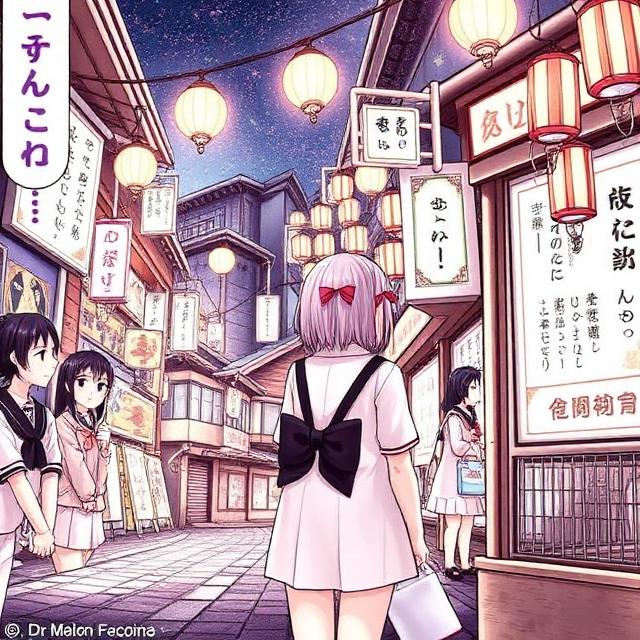
Getting involved in the doujin scene can be an exciting journey for both creators and fans. If you’re a budding artist or writer, start by developing your unique style. Share your work on platforms like Pixiv or Twitter to connect with others.
Attending events is another great way to immerse yourself. Comiket, one of the largest conventions, offers a vibrant atmosphere where you can meet fellow enthusiasts and discover new works.
For fans, supporting creators through purchases at these events or online is crucial. Engaging in discussions within community forums enhances your experience too; sharing thoughts about beloved doujin works fosters connections.
Collaborations are also common in this space. Reach out to other artists for joint projects if you’re feeling adventurous—teamwork often leads to unexpected creativity! Whether you’re creating or simply appreciating, there’s always room for passion and involvement in the diverse world of doujin culture.
Conclusion: Embracing the Diversity and Creat
Doujin culture stands as a testament to creativity and community. It celebrates the passion of artists, writers, and fans who come together to share their love for various forms of expression. The rich tapestry woven through doujin works—ranging from manga and anime to games and novels—offers something for everyone.
The vibrant events like Comiket not only showcase this creativity but also create spaces where enthusiasts can connect on deeper levels. The support systems within the community foster an environment that encourages exploration and experimentation.
Yet, it’s crucial to acknowledge the challenges faced by creators in this space. Issues surrounding copyright laws, distribution rights, and commercialization continue to spark discussions among fans and artists alike. These controversies highlight the need for ongoing dialogue about what it means to be part of such a unique subculture.
For those looking to dive into the world of doujin, whether as a creator or fan, there are numerous avenues available. Joining online forums or attending local events can provide insights into this fascinating realm where imagination knows no bounds.
As you embrace doujin culture, you’ll discover its diverse expressions enrich not just your appreciation for art but also your connection with others who share similar passions. This journey is one filled with discovery—a celebration of every voice contributing to an ever-evolving narrative in the world of creative fandoms.